

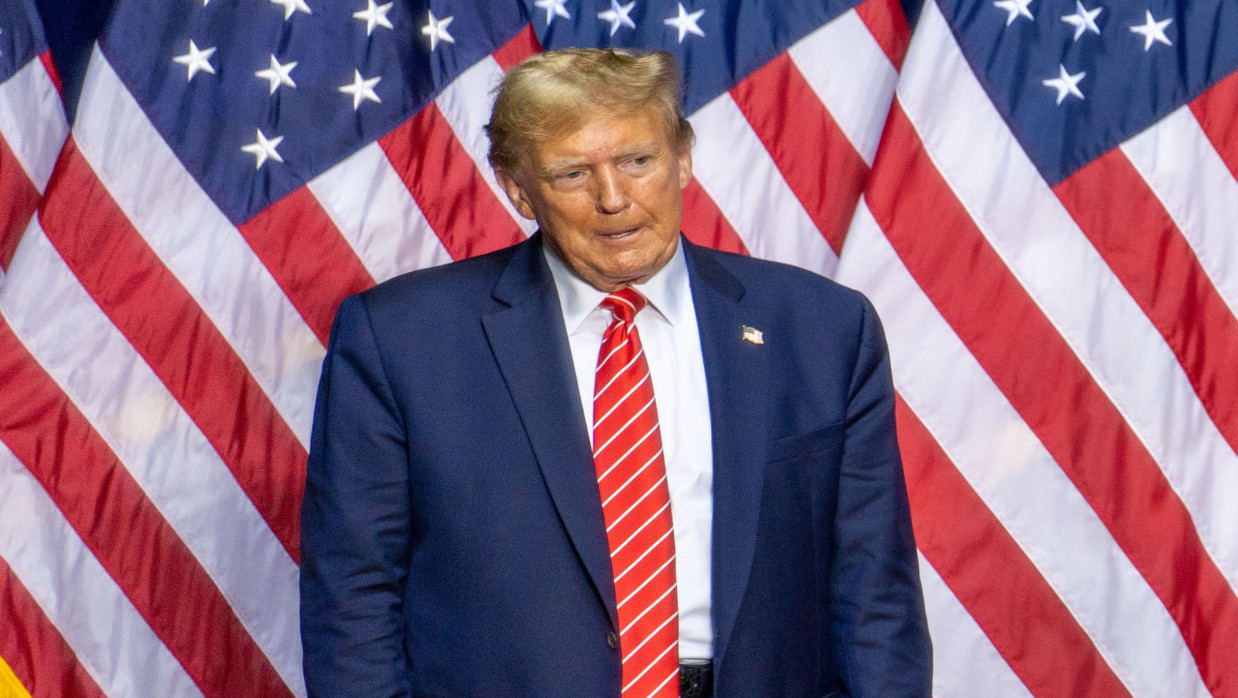
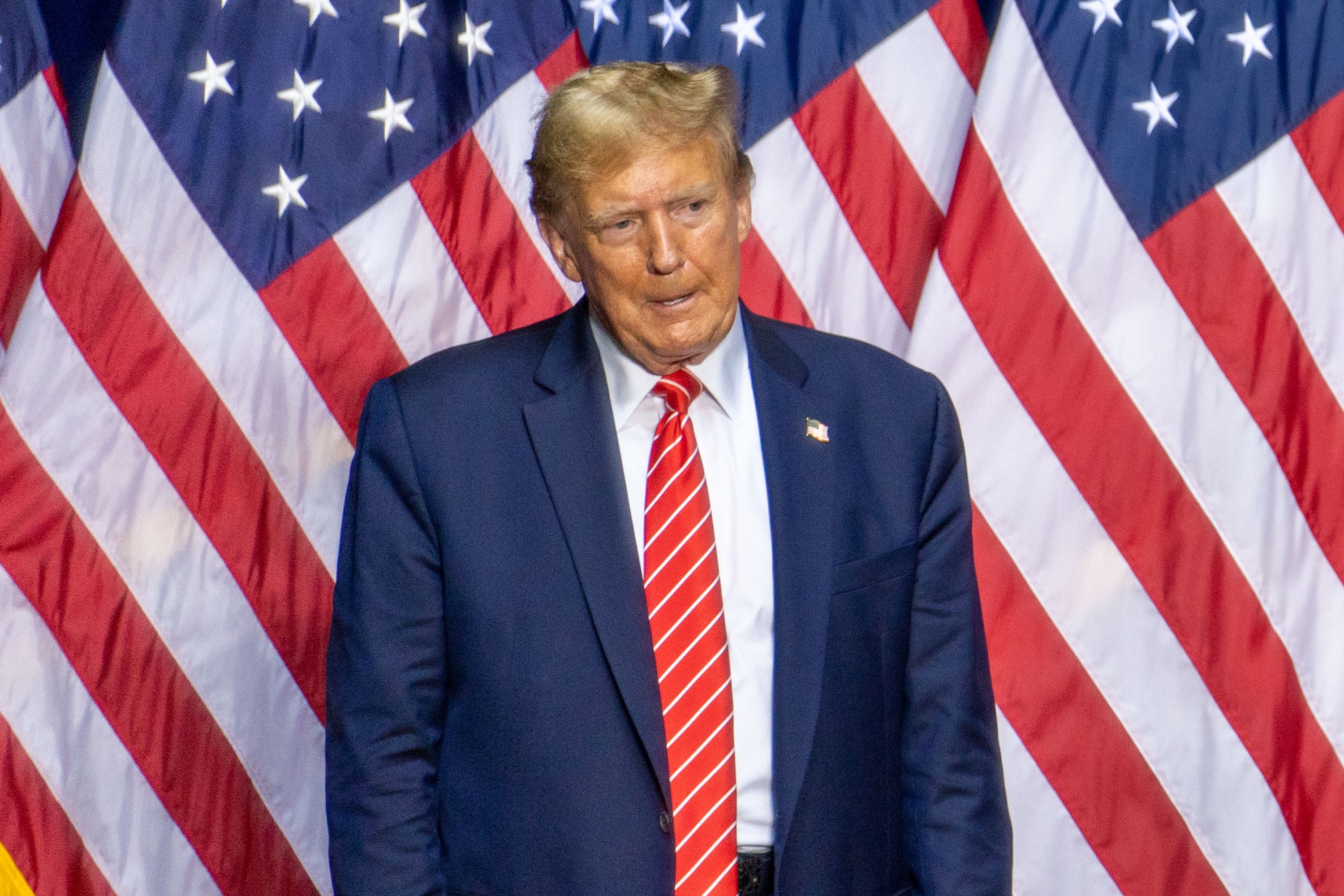
Donald Trump. Credit-Shutterstock
The sharp escalation of tensions surrounding the ongoing Iran conflict has entered a troubling new phase following U.S. President Donald Trump’s warning that “a whole civilization will die tonight.” The language is notable not just for its bluntness, but for what it reveals about how modern warfare is changing. Even during periods of intense geopolitical tension, U.S. presidents have tried to rhetorically separate governments from civilians. By contrast, the suggestion that an entire civilization could be extinguished within hours represents a rhetorical shift with profound strategic, ethical, and humanitarian implications.
The statement, echoed and amplified by senior Republican figures including Vice President JD Vance, has triggered alarm among diplomats, journalists, and policymakers worldwide. It has also revived debate about whether Washington is employing a version of the so-called “Madman Theory,” a strategy designed to intimidate adversaries through unpredictability, or whether the crisis is moving toward genuinely uncontrollable escalation. In either case, the consequences for regional stability and global norms could be severe.
‘Madman Theory’ or Dangerous Escalation?
CNN’s Christiane Amanpour put many foreign policy professionals’ feelings into words: “No president of the United States has ever said they were going to wipe out a civilization. Even in World War II and Korea, we didn’t say that.” President Trump is right to point out that nuclear-armed countries like the U.S. and USSR didn’t explicitly threaten civilization-ending attacks during the Cold War. Nuclear strategy revolved around the threat of using nuclear weapons, not obliterating nations outright. Restoring that difference should be job one for Trump and his advisors.
Threatening to annihilate an entire country’s population regardless of the intention erases any practical distinction between trying to change a regime and trying to punish a people. Even if Trump isn’t going down that road, raising that specter increases the risk of someone else stepping in to do so, especially in the tinderbox that is the Middle East. Trump should dial down the rhetoric before he or someone else takes this conflict beyond the point of no return. Iranian officials are already promising “resistance at every level” if Trump authorizes strikes on its nuclear program. It’s one thing to target military facilities, quite another to target Iran’s Transportation Ministry or to bomb Iran’s bazaar.
Apocalyptic Language and Ethical Boundaries
Trump's comment was viewed by foreign-policy pundits as an example of "apocalyptic framing." But foreign policy experts fear something more sinister than Trump's rhetoric: nuclear terrorism and the loss of moral restraints on violence. Attacks on infrastructure, from pipelines to transportation networks to communications systems, are intended to disable a country. But they also endanger civilians who rely on that infrastructure.
It's now common to hear analysts refer to these types of attacks as "weaponized civilian infrastructure." Militaries wage what some call "coercive degradation" in order to compel an adversary to bend to their will. The two are one and the same, of course. Civilian infrastructure is degraded as a military tactic. But while water systems don't fight back on the battlefield, civilians do. People form "human chains" to protest.
Strategic Anxiety Within the United States
Oddly enough, reaction has also been sharply divided in the U.S. itself. Conservative commentator Bill Kristol has written that military officers should disobey unlawful orders if they receive them as a result of civilizational war rhetoric. Democratic Senator Chris Murphy called the statement "grossly morally wrong", suggesting that lines have been crossed into the indefensible. Disagreements between administration officials and politicians over civilizational rhetoric also suggest an intra-institutional panic about presidential war powers and who decides when an order from the commander-in-chief is lawful.
Regional and Global Consequences
Then there is the danger of escalation. Officials from the Gulf have signaled that a breaking point may be approaching, beyond which tensions can no longer be managed diplomatically. The cutting of direct lines of communication between Washington and Tehran only heightens the danger of an unintentional clash. Crisis hotlines and backchannels have long been used to avoid miscalculations that could lead to war. It’s therefore alarming that they no longer exist. Equally alarming is what a conflict would mean for the global economy. Iran sits at the nexus of global energy politics. Any disruption to shipping or oil production in the Gulf would send shockwaves through the global economy, leading to higher inflation and supply disruptions. “The Gulf isn’t the sidebar of the global economy. It’s the bloodstream,” one expert told me. An extended battle for the region’s energy infrastructure would have consequences for Europe, Asia, and the Global South as well.
A Defining Test of International Norms
But beyond Iran, what’s at stake in Trump’s warning is larger than this latest crisis. It goes to the heart of what red lines the international order is willing to accept in plain sight from its political leaders. War has increasingly relied on not just physical capacity to wage conflict but mutual expectations about proportionality, civilians as targets, and uses of force generally.
Should calls to annihilate whole cities become commonplace, those expectations could quickly fray. Tactical value can be calculated in square miles gained or pipelines destroyed. But once lost, the high ground of the moral argument is never easily reclaimed.
This is what’s on the line in the escalating showdown with Iran. Will the leaders of the world double down on the rules that have governed the post-war era, or are we entering an age of total wars fought with total words?

0 Comments
LEAVE A COMMENT
Your email address will not be published