

FRANCIS SHIN
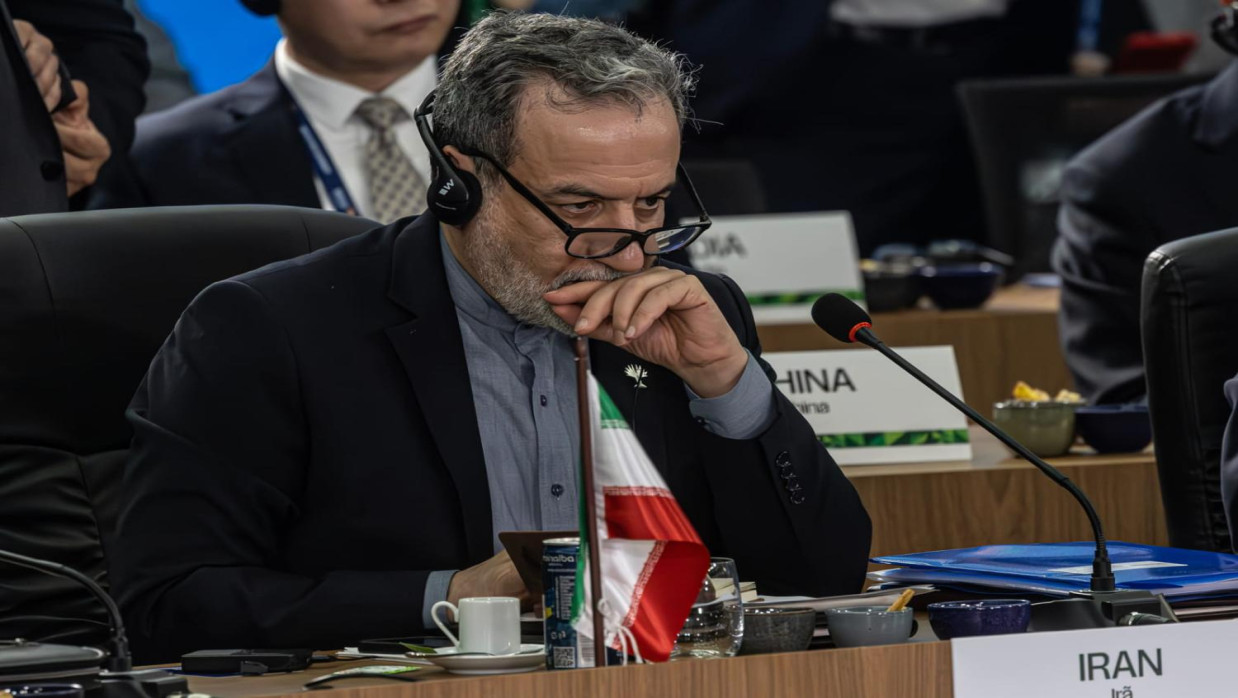
The BRICS grouping is nowhere to be found while the Iran conflict shows few signs of abating. Although Iran joined BRICS in 2024 and rising powers founded BRICS as part of an effort to push back against US hegemony, BRICS as a whole is conspicuously absent in coming to Iran’s defence or even taking a mediating role to end hostilities.
The credibility of BRICS is on the line. The United States is targeting one of the bloc’s own members and Iran has attacked the United Arab Emirates, a fellow BRICS member, as part of its wider retaliation, yet the grouping is dithering. In one fell swoop, this conflict effectively exposed two of the group’s fundamental weaknesses: inaction and internal disunity.
The failure of BRICS to play a role in reducing hostilities suggests that, like its Non-Aligned Movement predecessor, BRICS will never reach the heights of reshaping the international order that many of its members aspired to. As a result, even as the old liberal international order continues to unravel, whatever system takes root will likely not feature BRICS as a key platform for emerging powers. Each BRICS member had different strategic and ideological reasons for joining. For instance, whereas Russia and Iran were more openly hostile to the US-led international order, members like Brazil and India sought reforms to existing intergovernmental institutions to better accommodate the needs of emerging powers.
This conflict has made clear how truly divided the grouping is.
Shared opposition to a common competitor, without shared stakes and mutual trust, is too weak a unifying factor to keep a bloc together.
Not for the first time, either. India and China have openly clashed over continued border disputes amid their existing great power rivalry. BRICS’s inability to provide a platform to resolve these disputes is largely why it has never become a mutual defence pact in the same way that NATO has.
Just a few months ago, Iran participated in joint naval exercises with the UAE, China, Russia, and South Africa off the South African coast. Nevertheless, this cooperation has counted for little.

Some have argued that, as BRICS was never meant to produce unified positions on every security crisis (let alone act as a mutual defence pact), it would be wrong to expect BRICS to collapse entirely because of the present conflict. BRICS has indeed proven that it has other uses in comparatively lower-stakes environments, such as advocating for reform of international financial institutions via BRICS Pay – an interbank communication system that aims to circumvent the global SWIFT network. Lofty ambitions for the bloc to drive the democratisation of international affairs look even more hollow than before.
The present conflict has essentially proven how unsuited the bloc is for promoting multipolarity and non-interventionism in any emerging global order. Much like the Non-Aligned Movement before it, BRICS has once again demonstrated that shared opposition to a common competitor, without shared stakes and mutual trust, is too weak a unifying factor to keep a bloc together.
The article appeared in the lowyinstitute

0 Comments
LEAVE A COMMENT
Your email address will not be published