

South Asia is geographically proximate, historically linked and economically complementary, yet it has long been one of the world’s least connected regions. Political differences, security concerns and unresolved territorial conflicts have periodically impeded efforts to foster regional cooperation through groups like SAARC. South Asian trade is among the lowest in the world for any region, and connection projects are routinely stymied by diplomatic conflicts. In spite of these age-old problems, a different kind of regional collaboration is brewing quietly - through electricity rather than massive political accords.
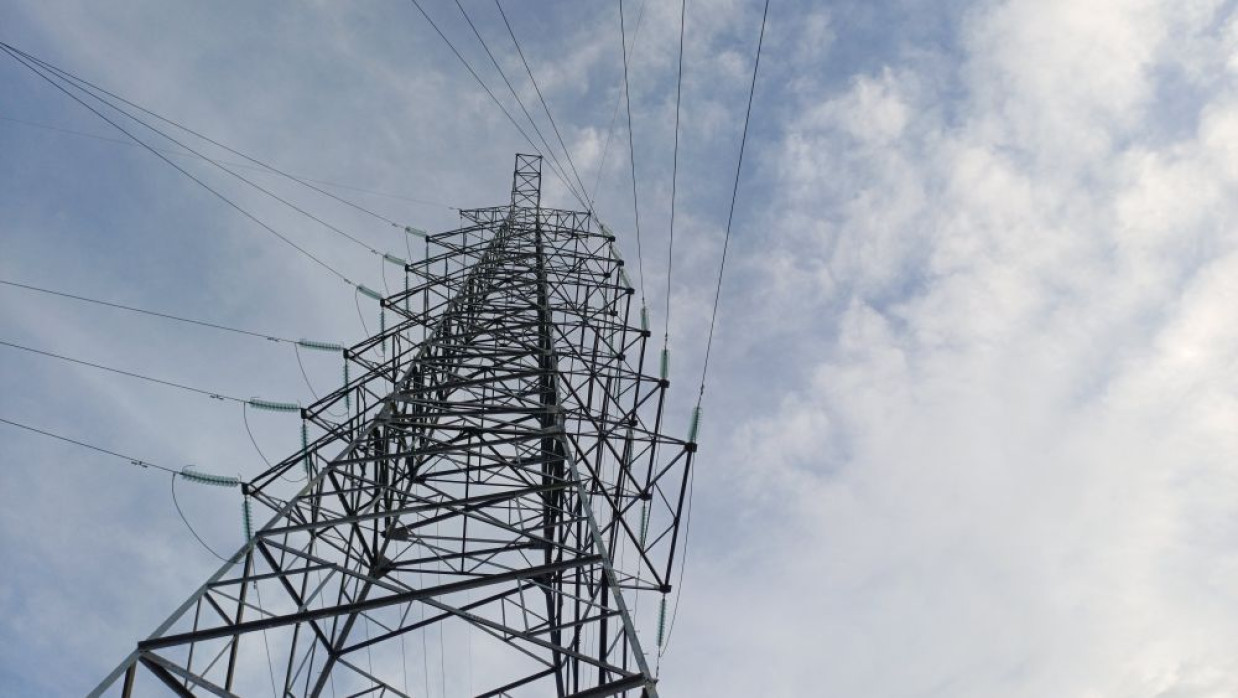
One of the few areas where cooperation has endured despite political divides is cross-border electricity trading. Today, transmission lines link India to Bhutan, Nepal and Bangladesh, and power flows across borders in ways that were inconceivable two decades ago. Instead of relying solely on traditional diplomacy, South Asia is forging tangible interdependence through common energy infrastructure. This new form of “electricity diplomacy” has the potential to be the missing pillar of regional integration.
The Constraints of Conventional Regionalism
The promise of South Asian regionalism has too often exceeded its delivery. SAARC, founded in 1985, aimed to unite the region through trade, development and people-to-people contacts. Instead, political rivalry, particularly between India and Pakistan, has frequently stifled growth. Ministerial meetings have been postponed, summits cancelled and bold accords left unimplemented. Political communication has often broken down, but the region’s energy needs have grown. The rapid pace of urbanization, industrial growth, electrification and climate-resilience demand huge volumes of reliable power. At the same time, energy resources among South Asian nations are very complementary. Nepal and Bhutan have large potential for hydropower generation, India’s renewable energy industry is growing rapidly, Bangladesh has high electricity demand but limited renewable resources, and Sri Lanka is investing in offshore wind and solar power. These complementary factors offer natural incentives for regional electricity cooperation.
Electricity as a strategic bridge
Electricity is in a class of its own among forms of regional cooperation. Power trade is a tangible mutual benefit, unlike free trade agreements or political pronouncements. Electricity cannot be stored for long periods of time. It must be used as it is generated. This gives countries strong incentives to work together, through stable grid management, coordinated investments and shared infrastructure. India is at the centre of gravity of South Asia’s growing electrical grid. Bhutan sells much of the power it makes from hydropower to India, and that is an important source of money for the country. Nepal has transformed from an electricity importer to a seasonal exporter, with surplus hydropower being fed into the Indian grid in the monsoon season. Bangladesh imports nearly a thousand megawatts of electricity from India through several transmission corridors, improving grid reliability and supporting industrial growth.
Yet each of these deals reflects a larger shift in regional diplomacy. Instead of integration, countries are building confidence through functional collaboration and not through grand political accords.
Power Trade as an Instrument of Economic Integration
The benefits of cross-border electricity exchange far outweigh the energy industry. Electricity exports earn foreign currencies, fund domestic development and attract infrastructure investment in energy-exporting countries like Nepal and Bhutan. Consistent revenue sources are provided by long-term power purchase agreements, which reduces economic vulnerability. Regional electricity markets diversify energy supply for importing countries, reducing their dependence on expensive fossil fuel imports, and increasing their energy security. Imports of electricity can lower the cost of generation in peak demand periods when renewable generation replaces thermal generation, while also reducing greenhouse gas emissions. Regional electricity markets also promote investments in transmission infrastructure, digital grid management, forecasting technologies and renewable integration. These projects increase economic connectedness and support the larger transition to sustainable energy.
The power cooperation creates real economic incentives for continuing collaboration, as opposed to regular trade discussions.
Energy Security in a Climate Change Era
Climate change is transforming South Asia’s energy landscape. Historic electricity consumption pushed up threatens national power grids due to heatwaves. In some parts droughts restrict hydropower generation, while in others high rainfall leads to seasonal surpluses. Integrated regional grids provide resilience to climate-induced disruptions. The hydropower from the Himalayas can supplement the solar power generation in the western provinces of India. Coastal wind power can help to offset changes in demand inland. And the seasonal variations in electricity generation allow countries to pool resources more efficiently than with separate national grids. Such flexibility becomes all the more critical as South Asia accelerates its renewable energy rollouts. Variable renewable energy needs bigger balancing areas, complex forecasting and integrated transmission networks.Thus electricity diplomacy helps not only regional integration but also climate adaptation and energy resilience.
BIMSTEC and the Emerging Regional Architecture
As SAARC has been politically suffering, BIMSTEC has gained strategic importance. BIMSTEC connects South Asia and Southeast Asia by linking Bangladesh, Bhutan, India, Myanmar, Nepal, Sri Lanka and Thailand while circumventing many of the geopolitical constraints of SAARC.
Energy cooperation is one of the most promising themes of BIMSTEC today. Member states have approved regional grid links and signed deals to boost cross-border trade in electricity. Implementation is slow but these steps are indicative of a growing realization that energy connectivity can enhance economic integration and regional stability. Electricity projects, unlike politically sensitive security cooperation, often have widespread support because of their measurable developmental benefits.
Challenges That Can’t Be Ignored
Electricity diplomacy has its own challenges. Transmission infrastructure requires large capital investments and long lead times. Cross border trading arrangements are complex due to regulatory differences between countries. Market processes are still immature and technical standards and grid codes need to be further harmonised.
Political risks also exist. Project delays or uncertainty for investors could result from changes in administration, political resistance or foreign conflicts. Water-sharing disputes, environmental concerns about large-scale hydropower projects and discussions on energy sovereignty continue to dog regional talks. Pakistan’s very limited engagement in regional electricity projects also shows the spatial incompleteness of energy integration in South Asia. Addressing these issues will require stronger regional institutions, more transparent market rules, larger transmission corridors and more private sector involvement.
From Energy Trading to Strategic Trust
The most important thing about power diplomacy is that it builds trust, not megawatts to trade.Every transmission line requires joint planning, common technical standards, ongoing communication between grid operators, and long-term contractual commitments. These contacts create cooperative habits that usually last longer than political declarations.
Postwar European integration started with coal and steel cooperation and then developed into more sophisticated economic and political institutions. The situation is very different in South Asia but electricity provides a similar workable structure for bigger regional cooperation to develop over time.Functional cooperation usually precedes political integration rather than the reverse.
What’s Next?
The future of South Asia will increasingly depend on its ability to work together to address common challenges such as climate change, energy security, economic development and sustainable infrastructure.Electricity diplomacy can’t undo old wrongs or substitute for traditional foreign policy. It cannot eliminate geopolitical competition or deep political rifts. But it does provide something of equal value: a way for countries to build confidence as they try to achieve common economic goals.As renewable energy spreads across the region, the need for integrated electrical infrastructure will only grow. Investments in transmission corridors, regional electricity markets and harmonised regulatory structures can make power grids tools of stability and not just channels for the exchange of energy.
Too often the debate on South Asian integration has been about diplomacy, trade and security. The transmission cables in the region offer another option. Each megawatt traded across borders helps not only power systems, but also regional interdependence.Given the above constraints, electrical diplomacy may be the missing link in South Asia’s path to eventual regional integration and reliable source of power.


0 Comments
LEAVE A COMMENT
Your email address will not be published