

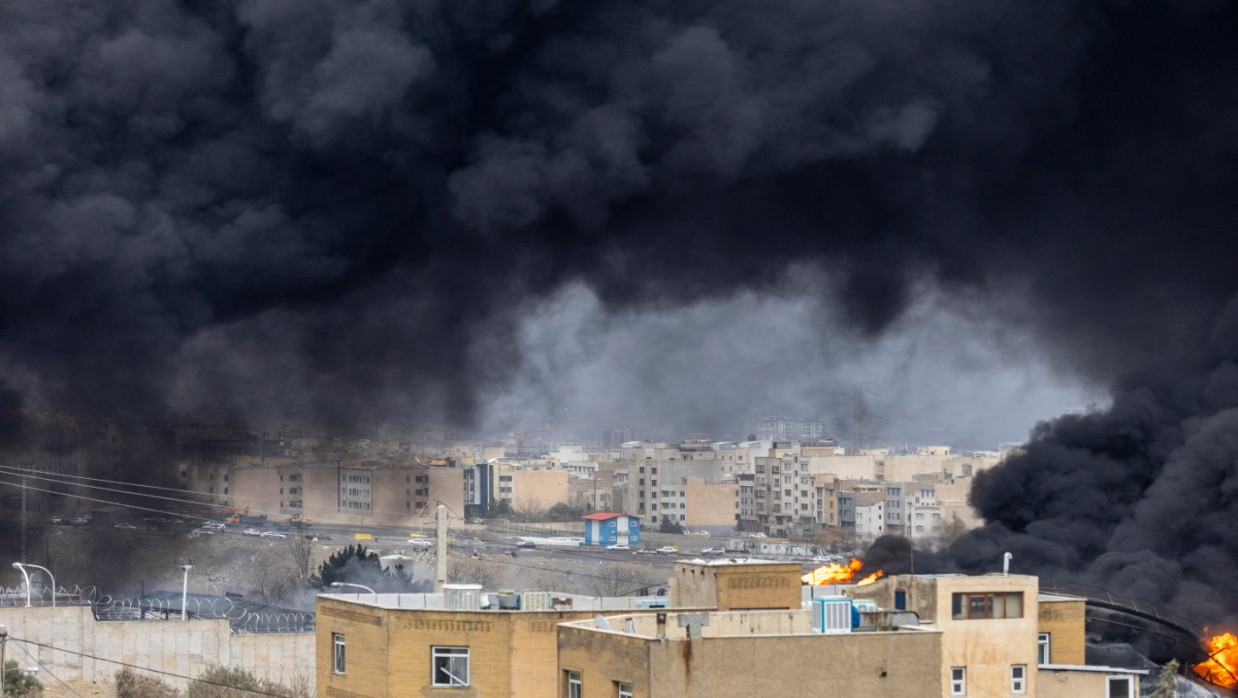
The delicate U.S.–Iran ceasefire is on the verge of collapse following new military strikes from each side, growing concerns that the conflict might spread throughout the broader Gulf area. What once seemed like a diplomatic opportunity, backed by Pakistan and Qatar, is now being covered by a resurgence of missile, drone, and airstrike operations. While a formal declaration of the ceasefire's end has not occurred, the recent escalation specifies that it has effectively broken down, with Washington and Tehran accusing one another of breaching the MOU.
The recent escalation is said to have started following assaults on commercial ships and maritime operations at the Strait of Hormuz, a key energy passage globally. The event provoked a substantial U.S. military reaction, as American troops targeted Iranian-associated military sites. Traffic through the strait has been interrupted, as certain tankers are reducing speed, altering their courses, or implementing additional security measures. An LNG tanker was allegedly left marooned near Oman after being hit, raising worries regarding the security of worldwide oil and gas transportation routes.
Iran retaliated by firing missiles and drones at U.S allied positions in the Gulf. Multiple Gulf nations, such as Bahrain, Kuwait, and Qatar, have been drawn into the security repercussions, heightening concerns that the conflict might extend beyond a direct U.S.–Iran engagement. Qatar emphatically denounced assaults on Gulf nations and urged for calm, dialogue, and respect for sovereignty, as regional governments stay vigilant.
Diplomatic initiatives have not fully ceased, but they are currently facing significant strain. Pakistan and Qatar were making efforts to maintain communication lines between Washington and Tehran and to avert the total breakdown of diplomatic relations. Nonetheless, the most recent wave of strikes has rendered that task considerably more difficult. The peace process still appears to exist on paper, but military action is currently driving events on the grounds.
For now, the region has entered into a dangerous and ambiguous phase. The immediate risk is that continued attacks around or at the Strait of Hormuz could disrupt global energy supplies, pull more Gulf countries into the crisis, and make it harder for mediators to bring both sides back to the negotiation table. In practical terms, diplomacy is still alive, but the situation is moving closer to a wider confrontation with every new strike.

0 Comments
LEAVE A COMMENT
Your email address will not be published