

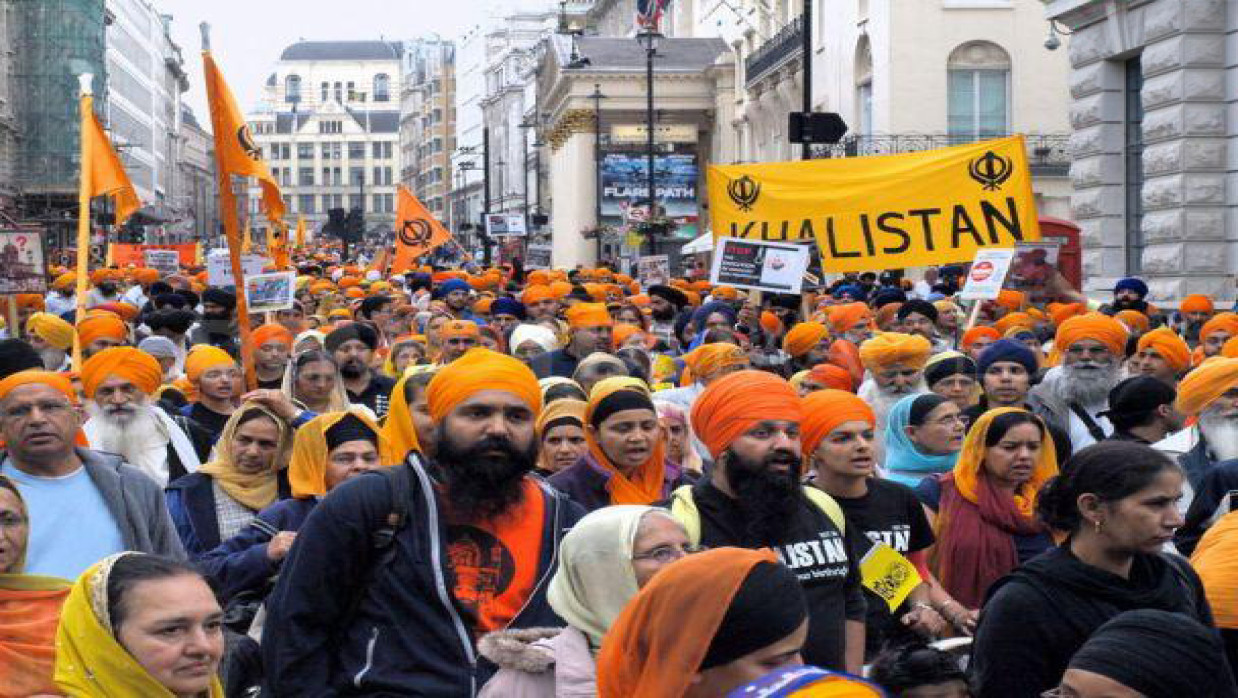
The recent international conference which established a new milestone for Sikh community issues to reach United Nations recognition demonstrates increasing awareness of transnational repression and its worldwide effects. The event united diaspora leaders from Canada the United Kingdom Australia the United States and Switzerland to demonstrate how human rights advocacy now operates through cross-border networks while minority communities face similar obstacles worldwide. The gathering went beyond its function as a discussion platform because it raised existing complaints while showing their connection to international legal and political systems.
Participants described their observations of a pattern which involved Indian government policies creating transnational repression during recent years. The activists demonstrated that minority communities in India faced domestic pressures which forced their members to exit the country because authorities conducted surveillance operations and used intimidation tactics and enforced legal restrictions against them. The people who go to different countries from their home country still face threats which demonstrate that repression continues across all national boundaries. The phenomenon known as transnational repression (TNR) has developed into a major issue which now affects governments and human rights organizations across the entire globe.
The conference speakers expressed their strong doubts about the security situation which affects Sikh leaders and activists who currently live outside their home country. The allegations of threats to safety together with cases of harassment and violent attacks, which targeted specific individuals, showed a pattern that posed international threats to basic human rights. The states use coercive methods beyond their borders, which enables them to enforce control over other countries, which results in violation of international human rights standards and state behavior regulations.
The conference produced a main result which requested the United Nations to increase its activities. Participants requested that special rapporteurs be appointed to conduct investigations which would document alleged violations because they required independent oversight. They requested that international monitoring systems be improved to create better methods of holding parties accountable. The demands show that the current systems become ineffective when facing the complex challenges which come with international repression that involves powerful nations.
The concerns raised are not entirely new. The Sikh diaspora has accused Indian authorities of conducting targeted operations against their community since the 1984 events and the Sri Harmandir Sahib attack which happened more than forty years ago. The claims include activities such as intelligence collection surveillance operations blacklisting efforts and restrictions on travel documents including passports. Activists report that these policies have created an ongoing atmosphere of terror which restricts diaspora groups from participating in political activities and advocacy work.
Conference participants observe the current period because they believe practices have reached a heightened state of development. The Indian government currently uses methods of transnational repression according to their supporters which have reached a higher level of operational capability. Activists face tracking through dossiers while Indian authorities use coercive tactics against their families and there are allegations of extrajudicial acts committed in foreign countries. The international community has entered a new phase because diaspora groups use their security concerns to create claims that need thorough examination.
The 2023 violence incidents which participants linked to intelligence-based targeting have created more intense security worries. The concept that peaceful activists might receive extremist designations which would lead to their government targeting creates essential problems about due process rights and civil liberty protection. Host countries must establish a diplomatic balance between their need to maintain bilateral relations and their responsibility to protect citizens who reside within their borders.
The worldwide practice of transnational repression has expanded into stable democratic nations which operate as its current most visible form. When activists in countries with strong legal protections start reporting intimidation and threats from foreign governments their actions reveal weaknesses in existing safety measures. The issue, therefore, extends beyond a single community or state because international systems made for rights protection across borders face their most challenging test.
International human rights officials who advocate for "zero tolerance" of specific practices created a new standard which demands stronger enforcement actions. The solution requires improved government cooperation together with development of legal systems that can handle foreign interference and increased assistance for those who have been harmed. Civil society organizations maintain an essential function which involves them documenting cases while they create public awareness and fight for new legislation.
The practical effects and psychological effects of these dynamics both impact diaspora Sikhs. The combination of travel bans and surveillance activities and family member intimidation creates a chilling effect which prevents people from expressing themselves and participating in social justice work. The community continues its fight for self-determination because of their human rights advocacy work even though they face various challenges. The people show resilience which demonstrates the need for international support and the development of systems that protect people's rights to exercise their rights without danger.
The conference achieves its main purpose because it allows international discussion of these issues which are connected to legal responsibility and the enforcement of laws. The need for joint efforts goes beyond being a political statement because it shows that people understand transnational repression will destroy democratic systems and international partnerships if it goes unopposed.
The solution to this problem needs multiple methods for its resolution. Legal safeguards against foreign interference need strengthening by governments while international organizations should develop better mechanisms for tracking operations and holding parties accountable and civil organizations should keep fighting for open access to information and equitable treatment. The international community can protect fundamental rights that exist in all locations through collective efforts.
The stakes are high. Globalization makes it harder to safeguard human rights because it creates new challenges which emerge from fading boundaries between national and international spaces. The conference proceedings and their associated demands show that democratic societies throughout the world require constant accountability and cooperative efforts to protect their core values.

0 Comments
LEAVE A COMMENT
Your email address will not be published