

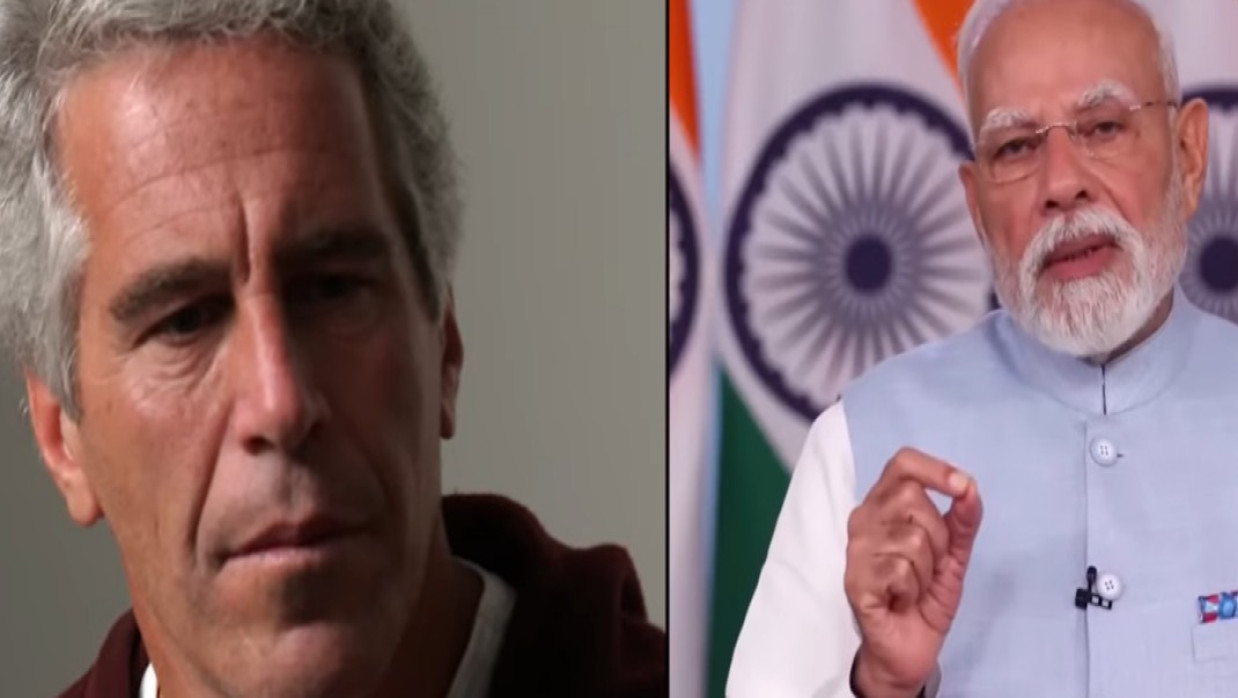
On the surface, Jeffrey Epstein’s Little St. James Island was a tropical paradise a private island off the coast of the U.S. Virgin Islands, purchased in the late 1990s. Little St. James boasted more than 75 acres of white sand beaches, helipads, guest villas, and private docks.
Behind closed doors and detailed extensively in court documents unearthed years later, it was where Epstein coordinated much of his transnational sexual trafficking operation of underage girls for some of the most powerful people on the planet.
Since his arrest in 2019, what have been dubbed the “Epstein files” have been drip-fed to the public via court documents, reporting, and the U.S. Justice Department. But beyond a list of gruesome allegations and shocking names, the documents paint a picture of access as capital and proximity as protection.
Politicians. Princes. Billionaires. Celebrity influencers. Jeffrey Epstein orbited many powerful people, including all of these. Though Epstein himself has been accused of numerous crimes, few others have faced criminal charges. But nearly everyone who interacted with Epstein during his life appears to have benefited from it in some way.
Epstein as a Political Operator
Repeatedly in Epstein’s phone lists and emails are references to how important it is to be used by someone powerful. Epstein cultivated relationships by offering politicians access to powerful people and resources in exchange for introductions to major donors, ideologues, and centers of power. In Washington. In Tel Aviv. In London. In the Gulf. And beyond.
The most recent tranche of files released contained references to Narendra Modi, India’s prime minister.
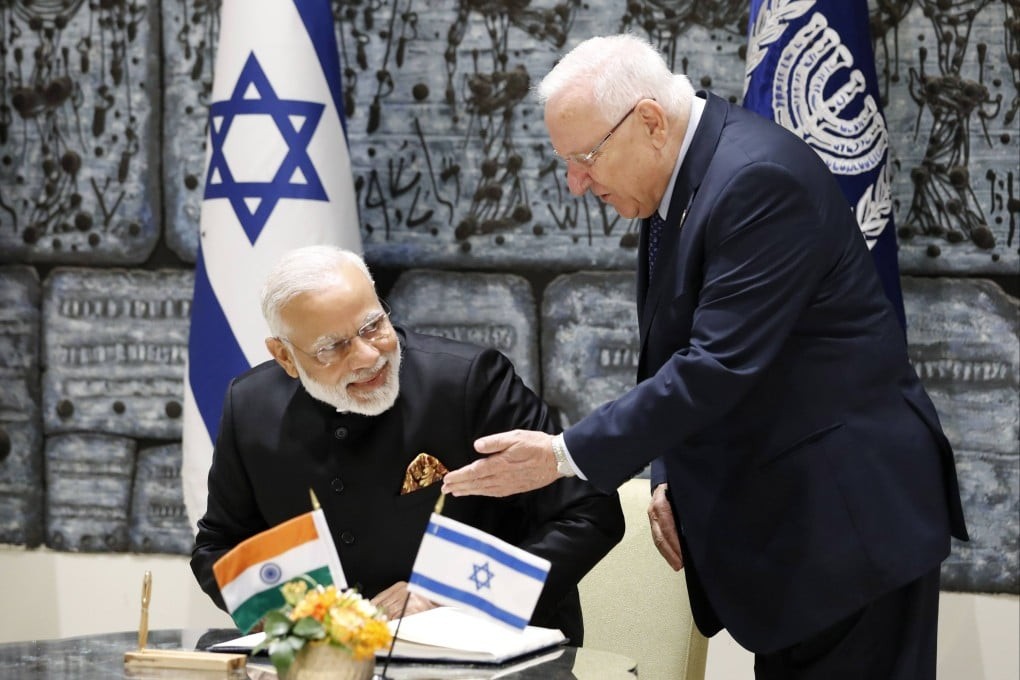
India wasted no time condemning the allegations. Narendra Modi’s office called them a “baseless attempt by convicted criminal Jeffrey Epstein to insert himself into matters beyond his comprehension.” They pointed out that Epstein’s name came up only in relation to Modi’s 2017 diplomatic trip to Israel.
India’s Ministry of External Affairs further called the report “trashy ruminations of a convicted sex offender.” In other words, Epstein said something. About someone important. And it wasn’t flattering.
Don’t Brush Off the Epstein Files So Easily
Epstein allegedly emailed friends that he brokered an introduction between Narendra Modi and Steve Bannon. Steve Bannon was then Trump’s White House chief strategist and the architect of Trump’s nationalist populist politics.
In the email mentioned above, Epstein explained that having someone as powerful as Steve Bannon, who has publicly expressed admiration for Hindutva-style civilizational nationalism. Introducing him to Narendra Modi would be the fastest way to gain Trump’s good graces. Notice how Epstein doesn’t present this as a reported fact. He presents it as a feat he orchestrated himself.
4-6 July 2017: Narendra Modi embarks on a diplomatic mission to Israel. It’s the first-ever visit to Israel by an Indian prime minister.
Israel has gone out of its way to embrace India as a strategic partner in recent years. Prime ministers Benjamin Netanyahu and Narendra Modi have raised the relationship to a rarified level. Three days later, Jeffrey Epstein sends another email: “It worked. Modi sang and danced in Israel and promoted Trump in his upcoming election.”
As unbelievable as it sounds, and as gaudy as Epstein’s prose may be, there’s something to this. Narendra Modi visited Israel shortly before Trump’s 2020 presidential election. The trip helped burnish Modi’s foreign policy credentials with a vital strategic partner. And it helped Trump curry favor with nationalists in the U.S. who closely follow India-U.S. relations.
As crude as the boasting is, there’s reason to believe that Epstein was describing something he enabled rather than something he merely witnessed.
No Criminal Allegations Have Been Made Against Modi
India is right to point out that no criminal wrongdoing has been alleged against Narendra Modi in the Epstein files. But politics is also about patterns. And the Modi era has been defined by political opportunities, not ideological contradictions.
Narendra Modi both leaned into and benefited from Trump’s brand of nationalist politics, despite sharp differences on issues such as immigration. Modi cozied up to Trump’s base early and often.
India has pivoted hard toward Israel since Modi took power. Unlike his predecessors, Modi has deepened ties with Israel’s security state, embraced its illegal settlement program, and courted Israeli businessmen like no Indian leader before him.
On the campaign trail, Modi promised to chase government critics out of India. Upon entering office, Modi went after them with gusto. Many took refuge in democratic nations around the world. India reached out instead.
These aren’t coincidences. Modi’s political successes have come by allying with the powerful. Often, with powerful people who don’t typically interact with Indian politicians. And why should they? India used to. Not anymore.
Taken together, Modi’s political trajectory and the Epstein files reveal less about criminality and more about a political style predicated on access at any cost. And while few Indian politicians look or sound like Donald Trump, that doesn’t mean Indian politicians won’t do what Trump does if it benefits them politically.
Epstein’s Muck Reveals Dark Patterns About Politics Itself
The Epstein files should disgust you. They should outrage you. But they shouldn’t surprise you.
Epstein was able to pull off the longest-serving NGO in serial sexual abuse because powerful people didn’t care that he was abducting children when he was useful to them. They only cared after he stopped being useful. After he started asking questions. After he went to jail. After he died.
Jeffrey Epstein kept company with powerful people all over the world. If there’s one thread connecting the dozens of powerful people Jeffrey Epstein rubbed shoulders with, it’s not that they’re all evil. It’s that they all allowed Epstein to get away with what he did for as long as he did it.
If Modi had nothing to hide, he wouldn’t mind discussing his diplomatic meeting with Israel in 2017. Israeli officials are happy to talk about it. So is everyone else who was there. But Narendra Modi won’t say a word. And that should matter to you.


0 Comments
LEAVE A COMMENT
Your email address will not be published