

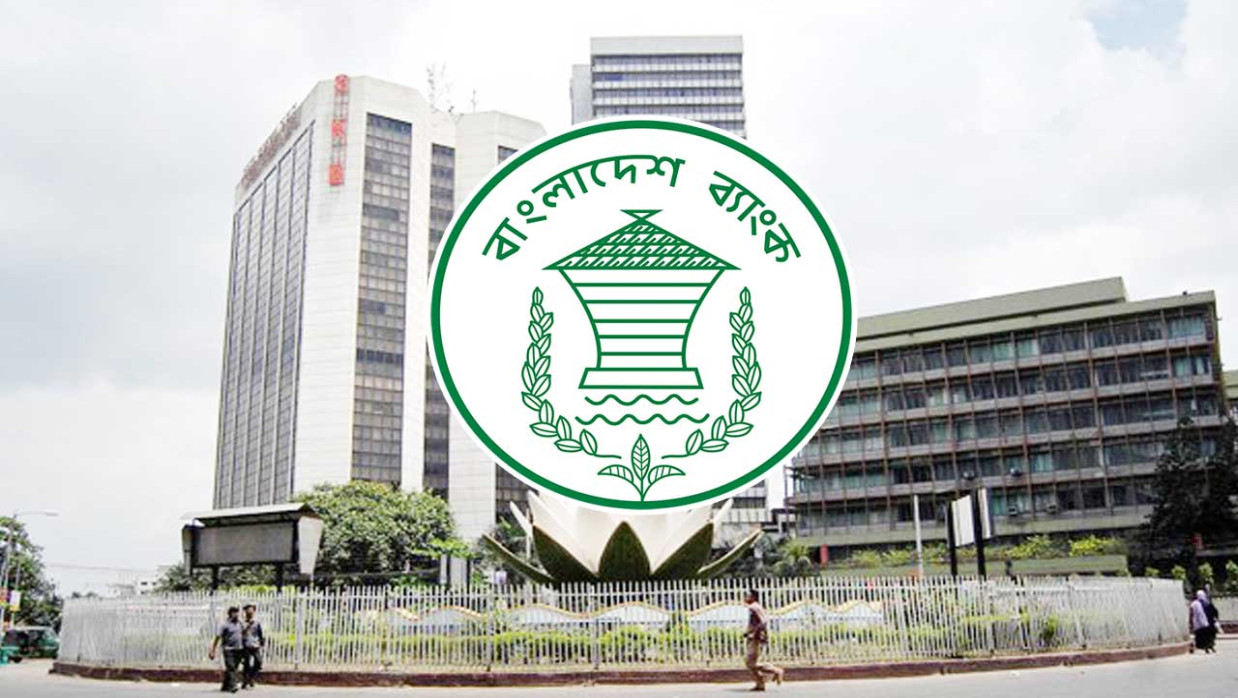
Bangladesh banks are facing the worst crisis ever. Once touted as one of Bangladesh's 'development partners', banks are now witnessing a scramble for control, character assassination, and political point scoring instead of performing their mandated roles of accelerating exports, facilitating remittances, financing industrial growth, and investing in infrastructure. Recent controversies involving the restructuring of Islamic Bank Bangladesh Limited (IBBL), along with a few other private banks, have dredged up old accusations that a faction closely linked with individuals behind past episodes of "fortune sweeping" involving the S. Alam Group now seek positions to sway bank management.
Were this to be true, it could mean that banks are not being fixed but flushed clean so they can go back into the hands that damaged them.
The Legacy of the S. Alam Banking Expansion
In the last few years of the Sheikh Hasina-led government, there was a significant change in ownership at a few privately owned banks. The incident in which Islamic Bank Bangladesh Limited fell into the hands of so-called quarters affiliated with the S. Alam Group created widespread controversy.
Islamic Bank Bangladesh Limited was once considered a financial institution with considerable international and domestic prestige and reputation. It was the largest Islamic commercial bank in Bangladesh, recognized for its exceptional corporate governance structure, Shariah-based banking model, and disciplined asset portfolio. The bank was established in 1983 and began operations as the country's first Islamic bank, earning the trust of Bangladeshi depositors and international investors in a short span of time. During its long history, the bank remained synonymous with professionalism, transparency, and depositor-friendly, financially stable operations. Islamic Bank Bangladesh Limited was Bangladesh's gold standard for Islamic banking in South Asia.
Islamic Bank Bangladesh Limited's reputation has steadily declined since its controversial takeover by interests affiliated with S. Alam Group during Sheikh Hasina's government. Political opponents accused people with vested interests of taking over the board and management of the bank, which allowed reckless lending, compromised corporate governance, and culminated in mass withdrawals of capital. Public sentiment quickly turned against the bank that was once Bangladesh's pride.
Islamic Bank Bangladesh Limited's reputation could be salvaged if it implements substantial corporate governance reforms, conducts credible investigations, and places reputable professionals at the helm of the bank. If not, it may lose the trust of depositors and live on only as a reminder of how it once was.
The bank has now been reduced to a platform for political loans.
Recycling Control: A Return of the Same Networks?
Public unease has grown after recent media reports suggesting the possible return of those linked to the previous regime to banks that suffered losses. How will people trust banks if those previously (rightly or wrongly) accused of massive corruption are given a chance to oversee them again? That is the question on everyone's mind, banker and depositor alike. Advocates Shishir Monir, who has been vocal on issues related to Bangladesh Jamaat-e-Islami-affiliated organizations, said that there is an ongoing move to reinstate organizations controlled by those who he alleged benefited from the previous takeover of banks. It remains to be seen if there is any truth to those allegations. However, the political ramifications are already playing out.
The public's trust in banks will diminish if they feel those responsible for bank irregularities can evade punishment again.
Depositors Under Pressure: A Crisis of Trust
The most worrying trend has been sporadic protests by depositors unable to access their funds from some banks. Liquidity stress is always a sign of trouble in the financial sector. But here it takes on another dimension: these runs on banks are the public perception that even the sanctity of depositors' savings is no longer safe.
People used to open accounts with Islamic banks like IBBL for profit as well as principle. So, news that Islamic banks may have been involved with politically motivated loans has hit public sentiment much harder than regular bank troubles would.
Trust is hard to regain. Transparent investigations into banking irregularities, professional supervision by regulators, and a delineation between politics and banking are necessary to restore public trust. Otherwise, Bangladesh may fall victim to the same cronyism that created this crisis.

0 Comments
LEAVE A COMMENT
Your email address will not be published