

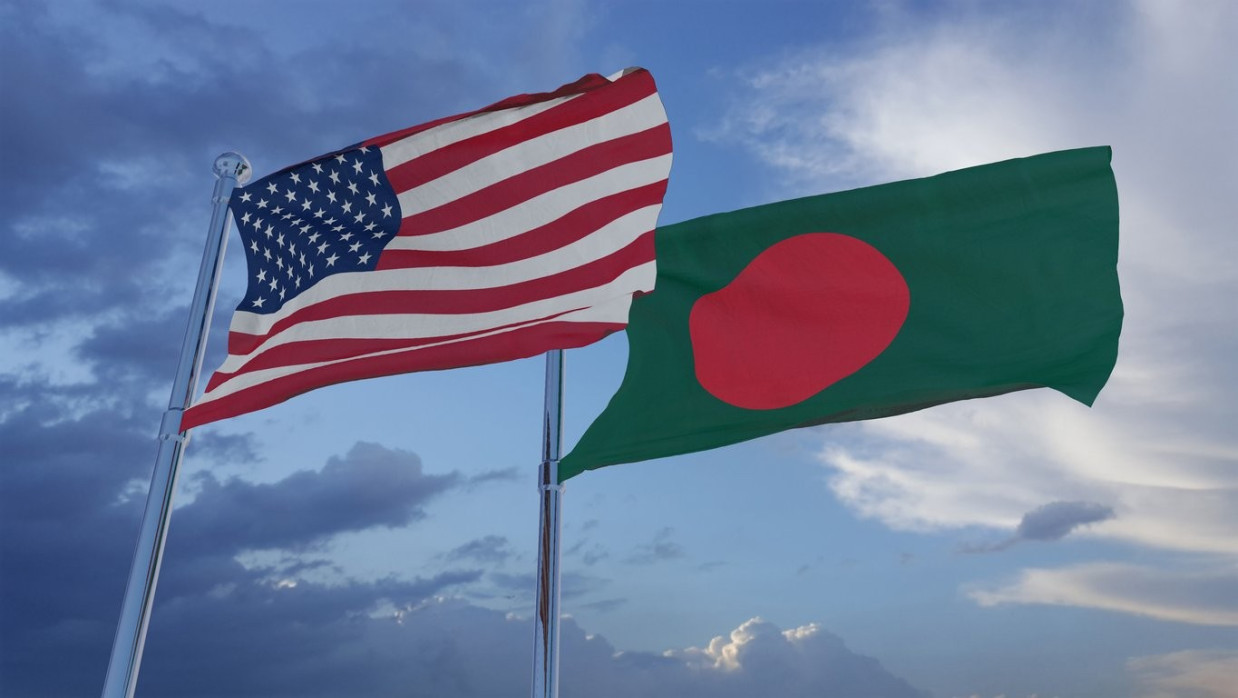
Bangladesh will head to the polls in 2026 for its next general election. Washington watches the process with a mix of pragmatism and caution rather than overt political preference. Bangladesh is an important trading partner for the US and a key ally in Southeast Asia. But it’s not nearly important enough for Washington to choose sides in Bangladesh’s elections.
Bangladesh-related issues rarely make headlines in Washington these days. When they do, conversations revolve around trade access for US companies, jihadist recruitment, or Chinese influence, and not, say, freedom of speech.
This pattern holds true today.
Here’s what you need to know about US policy toward Bangladesh ahead of the 2026 vote:
Does the US have a “horse in this race?”
While Dhaka might think otherwise, most in Washington don’t believe the US has a party or candidate it favors in the 2026 elections.
American diplomats meet with everyone from mainstream political parties to Islamic outfits. This doesn’t mean they endorse any particular party or movement; it’s just standard diplomatic outreach.
When a US diplomat was caught on leaked audio discussing meetings with “everyone,” rumors flew in Dhaka that Washington was backing the opposition. Washington-based analysts confirmed the calls are standard operating procedure.
Even though the US embassy in Dhaka reaches out to Jamaat and other Islamic parties ahead of elections, that doesn’t mean they necessarily support them politically. They simply recognize their influence on electoral outcomes.
To put it simply: when the results are announced in Bangladesh, Washington will work with whoever wins, assuming Bangladesh-US ties don’t nosedive.
The Leaked Audio Didn’t Make Too Big a Splash in Washington
The leaked audio clip made waves in Dhaka and even prompted some commentary in India over the US’s alleged outreach to select political forces in Bangladesh. In Washington, however, the tape wasn’t exactly Spotify’s top hit outside of South Asia specialists and followers of Bangladesh’s election.
America’s foreign policy focus is squarely on Russia’s war in Ukraine, the Middle East, and Latin America these days. As a result, Bangladesh doesn’t really register for most officials or media in Washington, beyond occasional policy memos or editorials.
For that reason, the leaked audio didn’t move the needle on American policy toward Bangladesh all that much. Instead, the leaked audio reaffirmed the US’s decades-old approach of talking to all sides.
Bangladeshi Parties Have Been Trying to Buy Friends in DC for Years
Bangladeshi political parties have made their own efforts to curry favor with Washington over the years.
When in power, Awami League leaders historically paid limited effort to outreach in Washington. But BNP and Jamaat officials have consistently lobbied, fundraised, and coordinated with think tanks, media organizations, and US lawmakers, especially when their movements were suppressed at home.
The Bangladeshi-American diaspora has also rallied around select causes over the years. Most notably, many galvanized in support of Jamaat and its affiliated parties when violence erupted across Bangladesh.
The result is a somewhat even playing field in Washington. Bangladeshi officials from all sides maintain decent relationships with US lawmakers, media personalities, and analysts these days.
The US Might Not Care Politically, but Remains Connected Economically
The United States doesn’t have a dog in this fight politically. But it does have major economic ties to Bangladesh.
America imports billions of dollars’ worth of garments from Bangladesh each year, and tens of billions of dollars in remittances flow from the US to Bangladesh. For that reason, Bangladesh will always matter to Washington at least from an economic perspective.
Trade policy, tariffs, and remittance laws can exert soft and hard power over Bangladesh. The US could incentivize (or punish) Bangladesh on trade and investment, should it choose to do so politically. However you slice it, Bangladeshi officials can’t push Washington too hard without facing economic blowback.
That said, few American officials have expressed interest in picking sides, even from a transactional policy perspective.
President Biden cared more about pushing for democratic reforms after Bangladesh’s political turmoil in 2024 than this current administration does. Biden-era diplomats openly commented on electoral transparency and institutional reforms ahead of the 2024 election.
President Trump’s administration is playing a more transactional game. Stability, peace, and profitable trade deals matter most in Washington, DC these days.
Bangladesh isn’t a top-tier issue for the US, which is focused on restoring its attention on Latin America and countering aggression in Europe and the Middle East.
That said, Secretary of State Antony Blinken met with Foreign Minister AK Abdul Momen during Momen’s July 2023 visit to Washington. Vice President Kamala Harris also sat down with Prime Minister Hasina during December 2023, in Dubai (COP28).
Bangladesh’s Youth Are Voting More to the Right
If there’s one reason Washington is quietly interested in the 2026 elections, it’s Bangladesh’s youth. Surveys of Bangladesh’s young population show a worrying trend of rightward political shifts among educated urbanites. The same phenomenon has plagued European countries and America over the past few years.
What makes Bangladesh unique is the growing frustration among young voters with Hasina and the Awami League’s decades-long rule. Should religiosity-fueled or right-wing coalitions gain popularity among voters, American officials will take notice, though not necessarily in the way you might think.
Islamist parties or movements aren’t Washington’s primary concern. Politically motivated groups that can take to the streets and strong-arm educational ministries, however, could raise concerns over minority rights and Bangladesh’s relationship with India.
How India responds will matter to Washington, should a radical-Islamist government come to power that vows to roll back the wheels against New Delhi. The US will likely stand on the sidelines unless regional security is at stake.
Washington Won’t Send Observers. It’ll Watch from Afar.
The United States is unlikely to deploy official election observers to Bangladesh for the 2026 vote. Washington will keep a close eye on the election through its embassy in Dhaka and network of analysts.
What American officials say in the days and weeks after the election will be telling. In past elections, US officials have lauded peace and stability rather than criticizing them for their lack of inclusivity.
The Awami League’s exclusion from the election raises questions about who will fairly represent its constituents. To date, the US has avoided public comment on the matter. Should voting proceed relatively peacefully, with only limited episodes of violence, Washington will likely applaud Bangladesh for a job well done, regardless of who takes power.
Stability is Key
The US cares about one main issue in Bangladesh: stability.
Washington wants to ensure its personnel and investments remain safe throughout Bangladesh. It also wants fair access to Bangladeshi markets to sell its goods.
Geopolitical posturing with China has played into Bangladesh in recent years. China has yet to dominate Washington’s approach to policymaking in South Asia. Nor does Washington have the bandwidth to devote significant attention to a country that doesn’t impact America’s interests or war chests.
Bangladesh’s upcoming election will come and go in Washington. There might be a partisan lens to how officials watch the race play out, but it won’t matter who “wins.”
What matters most to Washington is that order is kept, businesses can operate freely, and that Bangladesh doesn’t rock the boat too much regionally.

0 Comments
LEAVE A COMMENT
Your email address will not be published