

On the Brink of Changes
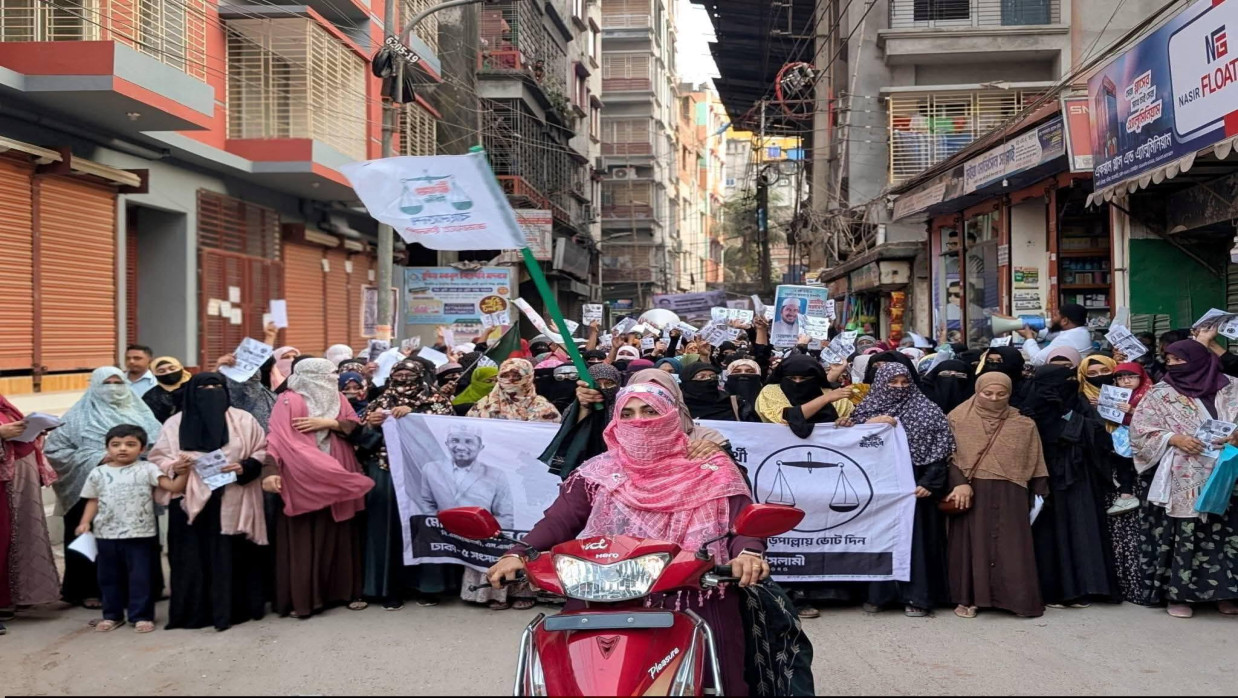
Bangladesh is entering a volatile period ahead of its next general election on February 12th. At home, many Bangladeshis are upset with the current leadership and generational changes, which could lead to a shift in geopolitical alliances. Opposition parties such as the Bangladesh Nationalist Party (BNP) and Jamaat-e-Islami are rallying against Bangladesh’s long-ruling government, the Awami League Party (AL), which has been in power since Prime Minister Sheikh Hasina officially stepped down from power on August 5, 2024.
Another consideration for Bangladeshis heading into election day is foreign relations. India, the US, and China have all played roles in Bangladesh’s current political climate, but many Bangladeshis believe foreign influence, especially from neighboring India, is at an all-time low in shaping election results. Time will tell how accurate this speculation is, but until then, here are some tidbits one should know about Bangladesh leading up to their February election:
Political Environment
Bangladesh has been locked in a 2-party election cycle between the Awami League and the BNP for decades. Due to Sheikh Hasina’s extended period of leadership, the Awami League political party entrenched itself in positions of power for years. When Sheikh Hasina finally stepped down, a power vacuum ensued that has yet to be filled.
The newly invigorated political party gaining traction against the Awami League is Jamaat-e-Islami (“Jamaat”). Jamaat was largely written off due to their role in Bangladesh’s Liberation War of 1971 and allegations of collaborating with Pakistan. However, many political analysts say this will be the election in which Jamaat makes a major comeback.
BNP was expected to be the biggest competitor against Awami League without Sheikh Hasina at the helm, but has lost organizational strength due to public disdain over extortion by local BNP activists (“chadabaji”). Additionally, younger voters are beginning to see Jamaat as more organized, which has given them the political foothold they need to start chipping away at BNP’s support.
“Young Voters” Could Decide Election
An interesting demographic to watch during this election is first-time voters, colloquially known as “Generation Z.” Many citizens of Bangladesh will be voting in a national election for the first time, following years of political turmoil and elections lacking electoral competition.
Bangladesh’s war of independence in 1971 and the political rift it caused still hold strong significance for national identity. However, many young voters do not have the same attachment to partisan politics and are voting based on what they believe is best for governance and eradicating corruption.
Another interesting aspect of this new voting bloc is the shift in stigma against Jamaat. For years, the Awami League smeared the Jamaat with the derogatory title “Rajakar” for supporting Pakistan during the 1971 war. This general stigma still exists, but many young voters do not view Jamaat through that lens. It is possible that Jamaat is benefiting from their stance on social issues and reputation for being well-organized.
Media Analysis
Bangladeshi newspapers like Ittefaq and Business Standard are beginning to report on the two-sided race between the opposing parties and the impact young voters will have on this election. Re-translations of old Reuters articles discussing Jamaat’s political comeback have been making the rounds again on social media.
Many are speculating that newspapers are only bringing up these articles now to boost sales before the election. It is also interesting to note how quickly newspaper coverage has shifted from saying that elections need to include the Awami League to almost welcoming a future without them.
Secular Bangladeshis and Activists Have Adapted
Bangladesh has a secular population that has advocated for minority rights and greater inclusivity within the government. Many secular Bangladeshis who have spoken out against the corruption of former Prime Minister Sheikh Hasina are now citing poor governance as their primary gripe with the current government.
Journalists, activists, and academics are all changing their tone in political discussions. The press is no longer echoing party lines and is becoming more critical of all parties involved.
Jamaat’s Comeback
So how did Jamaat suddenly become a contender in this election? There are a few reasons analysts are giving:
Organizationally Stable: Compared to its main opposition, BNP, Jamaat has been far less fragmented over party disagreements. BNP’s lack of organizational structure could be what’s causing it to lose voters’ trust.
Modest Approach: Political consultants are advising the Jamaat to adopt a more “flexible” approach to party politics. Moving away from extreme Islamist policies could help Jamaat gain the trust of moderate voters.
Anti-Corruption: Corruption and “chadabaji” by local political leaders have been among the public’s biggest complaints about current government officials. Jamaat could capitalize on this if it could paint itself as an alternative to the corruption plaguing current politicians.
Anti-incumbency Culture
Bangladeshis are ready for a change. From Sheikh Hasina’s seemingly endless reign as Prime Minister to stories of poor governance, Bangladeshis are just plain sick of the current leadership. Many Bangladeshis want change both within their borders and in foreign policy.
Anti-Indian Sentiment
Bangladesh has had a love-hate relationship with India for as long as anyone can remember. India’s influence over Bangladesh’s politics and the recent ruling party, the Awami League, has led many Bangladeshis to sour on India. Although India will always be Bangladesh’s neighbor and largest trade partner, many Bangladeshis are calling for politicians who will stand up to India.
Foreign Policy
Indian Influence
India has been the most prominent outside force in Bangladesh for many years. Although recent political changes have muddied the waters, India will always have a strong political, economic, and strategic advantage in Bangladesh. Whether Bangladeshis believe India has less say in this upcoming election will become clearer after February 12th.
However, any political party that takes power will have to at least maintain a working relationship with India.
United States
America’s foothold in Bangladesh lies within economic interests. Bangladesh regularly buys and sells with the US, so America can impose tariffs on Bangladesh if it wants to exercise political pressure. America also threatens Bangladesh with human rights violations, which further gives America political leverage.
China and Turkey
China’s involvement with Bangladesh has been almost exclusively economic. China invests in Bangladesh through infrastructure, imports, and exports. China also remains one of Bangladesh’s largest sources of development funding. Turkey, however, has recently been increasing their partnership with Bangladesh in defense and technology trades.
Moving Forward
Moving forward, Bangladesh will have to consider its place within a changing geopolitical landscape. The world is quickly becoming multipolar, with power no longer held by a single dominant superpower. Bangladesh has the opportunity to balance its partnerships and build strong relationships with countries around the world.
As Bangladesh transitions into this new era, economic investments and lending relationships will begin to matter more.


0 Comments
LEAVE A COMMENT
Your email address will not be published