
Europe has a difficult foreign policy dilemma on their hands as many governments begin to reconsider the way they approach the Taliban Government in Afghanistan. Due to an increasing acceptance of building relationships with the Taliban Government in Kabul, there are concerns that Europe may be compromising their democratic values. While European countries do have valid reasons to engage with the Taliban Government in regards to migration, consular services, regional security and humanitarian needs, working with a regime known for abusing human rights is problematic. The question is, can Europe support their interests without supporting the international status of the Taliban?
Since their return to power in August 2021, the Taliban have been trying to end their isolation internationally. Despite not having any recognition from the European Union, there has been recent diplomatic engagement from some European countries. This was seen in June 2026 when Taliban officials were welcomed to Brussels and in August with a delegation visiting Germany. While most European officials have been trying to frame this as a technical engagement, it still remains a sensitive issue.
Mounir Satouri, a French Member of the European Parliament has expressed his concerns about the direction Europe is taking. He states Europe will compromise the core values of our political system if we work with the Taliban. Governments are beginning to forget the conditions set out previously and are now focussing on short term goals. If a regime is continuing to limit basic freedoms then engaging with them should not be rewarded with diplomatic contact.
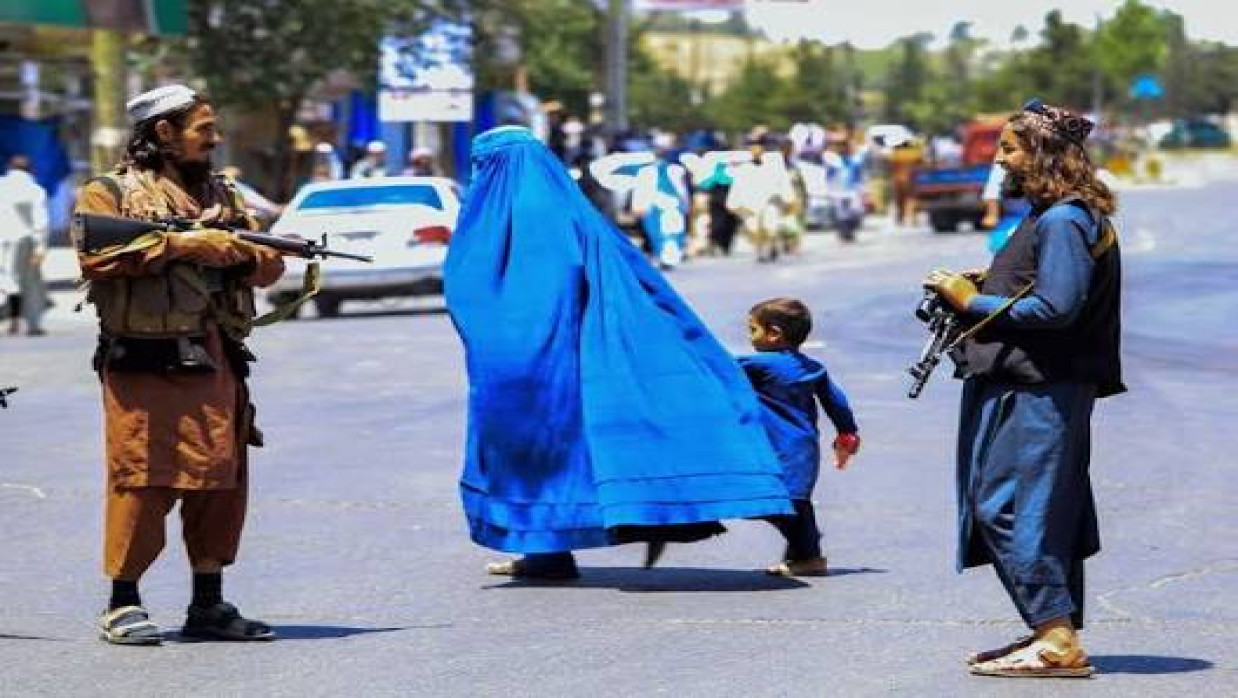
The most important reason to keep pressure on the Taliban internationally is due to how they have treated women and girls in Afghanistan. Since coming back to power the Taliban have often stated that women will have their education and employment opportunities protected according to their interpretation of Islam. Unfortunately this has not been the case. Girls have lost access to secondary school and university and women have had their employment opportunities heavily limited. This has resulted in an entire generation of girls missing out on education in Afghanistan and affecting the social and economic aspects of the country.
This affects the country greatly. By limiting women’s access to education and employment, Afghanistan’s healthcare suffers, it causes a lack of productivity and makes the country unable to recover after years of conflict. Without half the population being able to participate in development due to systematic exclusion, no sustainable development plan will work. European governments must ensure that women’s education, employment and basic freedoms are priorities.
Religious and ethnic minorities have also suffered in Afghanistan. The Hazara and Shia communities have faced discrimination and threats to their safety. There are concerns around targeted attacks, lack of religious freedom and poor protection for vulnerable communities. Independent journalists, civil society activists and human rights defenders also face serious pressure. If we ignore these issues internationally, we are sending a message that human rights abuses can be tolerated as long as the authorities give a little cooperation on key issues.
Security must be a priority for European countries. There are concerns around militant groups, extremist networks and the use of Afghanistan for activities that could threaten neighbouring countries and the international community. European governments cannot afford to ignore their responsibilities to combat terrorism. Any cooperation with Kabul must come with realistic guarantees, transparency and verifiable action against terrorist networks.
Migration is one of the main reasons that European governments are looking to engage directly with the Taliban. European countries face domestic pressure to control irregular migration and make decisions around rejected asylum seekers. However, the safety and basic human rights of those being returned should be a priority. Deportation plans must be carefully considered due to the risk to vulnerable people. Women, former government workers, journalists, activists and persecuted communities must be considered carefully. We must never put individuals into situations where they will face persecution.
While we should not give the Taliban any legitimacy we should still support the population of Afghanistan. Providing humanitarian aid, education, medical support and protection for vulnerable communities is essential. European institutions can support independent humanitarian organisations and civil society without giving the Taliban free reign over political and diplomatic engagement. The Afghan population should not suffer due to political issues internationally.
A united stance should be taken to ensure individual diplomatic engagements do not impact the overall policy. If member states are working on individual relationships with no set standards then the Taliban may take advantage and gain concessions from different European Governments. This should be avoided by creating a united framework to ensure there are clear boundaries. This will keep the EU stance of not recognising the Taliban and any increased cooperation should be linked to measurable improvements in human rights, women’s freedoms, protection of minorities and combating terrorism.
Overall, while it may be necessary to engage with Afghanistan there must be no compromise on basic values. While diplomatic channels may be needed at times, we must not use them to help rehabilitate a regime who are still limiting the rights of their population. European governments must ensure they are helping the people of Afghanistan and not the authorities causing them suffering. This will ensure that Europe maintains credibility internationally. The Taliban must show real change and this can be verified before they are reconsidered. Until then we should stick to our stance of not recognising them. We must protect the citizens of Afghanistan, provide humanitarian aid and ensure that we do not sacrifice human dignity for diplomatic pragmatism.

0 Comments
LEAVE A COMMENT
Your email address will not be published