

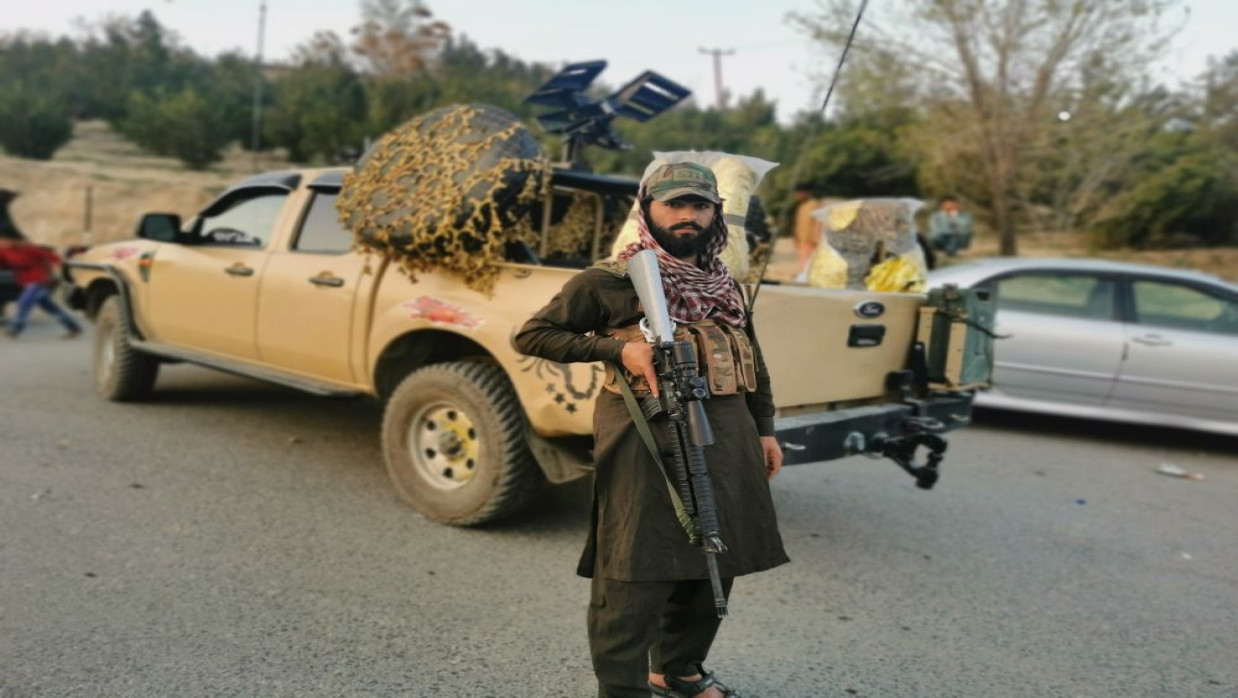
Diplomatic relations with the Taliban regime in Afghanistan have been an important topic of discussion since the removal of the Taliban from Russia’s list of terrorist organisations in 2025. However, the most recent discussions at the eighth Moscow Format on 5 October 2026 showed some of the difficulties of engaging and interacting with the Taliban as there was no joint statement issued. The reason given was that the Taliban did not agree with the wording used - Afghanistan and terrorism. This demonstrates that there are issues regarding engaging with Kabul. Due to differing opinions on the security issues.
Russia and China have adopted a pragmatic approach to the Taliban. Russia removed them from their list of banned terrorist organisations in 2025 and have recognised their government. China want to ensure stability in the region to protect western regions, counter threats form the East Turkestan Islamic Movement and boost economic interests. Yet, without concrete anti-terrorism measures it risks giving the Taliban more legitimacy.
Pakistan faces security issues with militant groups based in Afghanistan. During the Moscow consultations, Pakistan's Special Representative, Muhammad Sadiq stated that Afghanistan's issues are centred around terrorism. Pakistan do not view the engagement as successful unless there are changes on the ground and less attacks from across the border.
Russia has highlighted the security issues they face with extremist groups based in Afghanistan and fears that these could spill over into Central Asia and Russia. There are an estimated 20,000 to 23,000 militants active in Afghanistan with around 5,000 to 7,000 being part of the Tehreek-e-Taliban Pakistan (TTP) group and around 3,000 Islamic State Khorasan Province (ISKP). If these figures are correct then there is concern that ISKP could be getting more attention than the groups that pose a threat to Pakistan. Therefore, this would not create a comprehensive counter-terrorism strategy for the region.
Pakistan have also argued that they have used all diplomatic avenues to try and gain tangible results from Kabul. They have tried to engage with Afghanistan through ministerial visits, intelligence level meetings, special representatives, border meetings, protests and mediators across multiple regional forums. However, Pakistan believe that they have only gained verbal guarantees from the Taliban. The issue is not a lack of engagement but a lack of tangible results.
There have been billions of dollars invested into Afghanistan since August 2021, as shown by the figures above. This is vital for the population who face poverty, food insecurity and poor access to public services. However, just because they have received humanitarian aid it does not mean they are receiving free handouts. Donors and regional partners need to have clear systems in place to ensure they know how the money is being spent, whether it is reaching those most in need and that the Taliban are fulfilling their international obligations. Claims that Afghanistan have a trade deficit due to foreign handouts and narcotics revenue also needs to be independently verified.
Central Asia faces threats from militant groups based in Afghanistan. ISKP also pose a threat to the region. Iran faces militant attacks in their south eastern border and China has also faced security threats to their interests. This demonstrates that militant groups can be a regional issue.
Regional connectivity has been affected by the lack of security. The Uzbekistan-Afghanistan-Pakistan Railway, CASA-1000 Electricity Transmission Project and Turkmenistan-Afghanistan-Pakistan-India Pipeline all rely on security, stable governance and investors. High insurance costs due to persistent militancy will put off investors. This means economic collaboration and counter-terrorism should be seen as two sides to the same coin. If the routes are unsafe then the benefits of connectivity will not be achieved.
Domestic policies have caused concerns with regards to the Taliban. The Taliban restrict education, have a closed governance system, are accused of abuse and there is competition for natural resources in the country. Reports of unclear mining deals and fighting between factions over mineral wealth demonstrates that there are issues with governance which could hinder economic growth. However, claims of large numbers of militants, attacks from resistance groups, education institutions and corruption need to be independently verified. Overall, having control over the land does not mean they will govern correctly and provide a stable environment to work with regionally.
A long term solution needs to be created where engagement does not lead to full normalisation. If you cut ties with Kabul then you lose any opportunities to discuss security, humanitarian and trade issues. However, if there are no clear expectations from engaging then issues will still exist. Therefore, Governments in the region should set out clear targets. This could include tangible measures to disrupt militant camps, cut recruitment and funding, collaborate on investigations and periodic independent checks.
Moscow Format members and other regional forums should set clear counter-terrorism goals. They should continue to provide humanitarian aid to everyday people in Afghanistan, improve transparency around funding and ensure there are security commitments. Pakistan should also be given serious consideration as an attack on one neighbour could affect the whole region.
Overall, engaging with the Taliban will not be successful without tangible measures. If the Taliban are not taking action against groups using Afghanistan to pose a threat to neighbouring countries then diplomatic normalisation will not be achieved, regional connectivity will be difficult and Afghanistan will continue to be a source of insecurity.

0 Comments
LEAVE A COMMENT
Your email address will not be published