

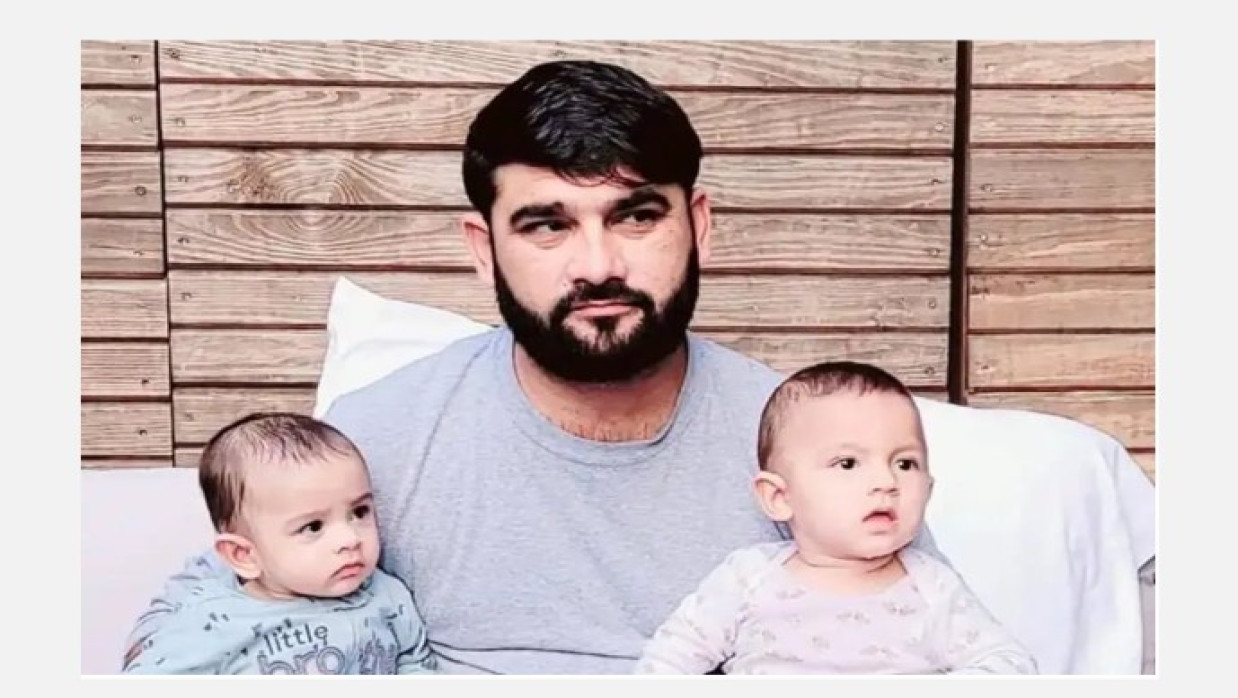
The death of Mohammad Nazeer Paktiawal, a 41-year-old Afghan father of six, shortly after his detention by US Immigration and Customs Enforcement (ICE), is more than an immigration controversy. It is a troubling test of America’s obligations toward those who risked their lives alongside its armed forces.
Paktiawal is said to have fought with US Special Forces in Afghanistan for around ten years. After Afghanistan’s government fell in 2021, he fled to the United States. He applied for asylum and tried to restart his life there. Pakiawal worked odd jobs at a market and bakery and drove trucks for a living to support his family in Richardson, Texas.
On March 13th, 2026, ICE officers arrested Paktiawal outside his home while dropping off his kids at school. ICE said his temporary parole had lapsed. They also brought up prior arrests for alleged food-stamp fraud and theft. Other reports say he had never been convicted of either charge, with his asylum case pending.
Within hours of his detention, Paktiawal complained of chest pain and difficulty breathing. He was taken to Parkland Memorial Hospital in Dallas, where his tongue became severely swollen while he was eating breakfast. Despite the administration of epinephrine and other emergency measures, he died on March 14, less than 24 hours after being detained. ICE’s official account states that he had denied having medical conditions or allergies during an initial screening.
His death certificate attributed his death to anaphylaxis, an acute allergic reaction complicating an asthma attack. It described an adverse reaction to an unidentified substance and classified the death as accidental. The certificate also listed other contributing factors, but his relatives have challenged aspects of the official findings. His wife reportedly said that Paktiawal depended upon an asthma inhaler and that agents declined to accept it when he was detained.
It’s why we need answers. Clear, independent answers about what caused the allergic reaction, whether they knew about his allergy, what drugs or food he was given, whether he might still be alive if he’d been able to access his inhaler. Families, advocates and members of Congress have asked about Paktiawal’s death too, seeking a full autopsy report. Dallas County has declined to release it, pointing to the pending results of a federal investigation. But the Associated Press has uncovered discrepancies that raise further questions,” Khan said, describing his family’s frustration.
Paktiawal’s death highlights another injustice. We promised Afghan interpreters and soldiers who stood by American troops that we would never forget their service. Today, too many Afghans who escaped the country remain on shaky immigration status, living with the fear that they too could be ripped from their families and jailed while their legal petitions are processed.
The law should be applied, but when it comes to detention, there should be no gray area of negligence. Regardless of Paktiawal’s immigration status or alleged infractions, he should have been treated with humanity, given access to medical care and a fair hearing. How a country treats its friends in times of war is one measure of its character. How it treats them after the conflict has ended is just as telling.


0 Comments
LEAVE A COMMENT
Your email address will not be published