

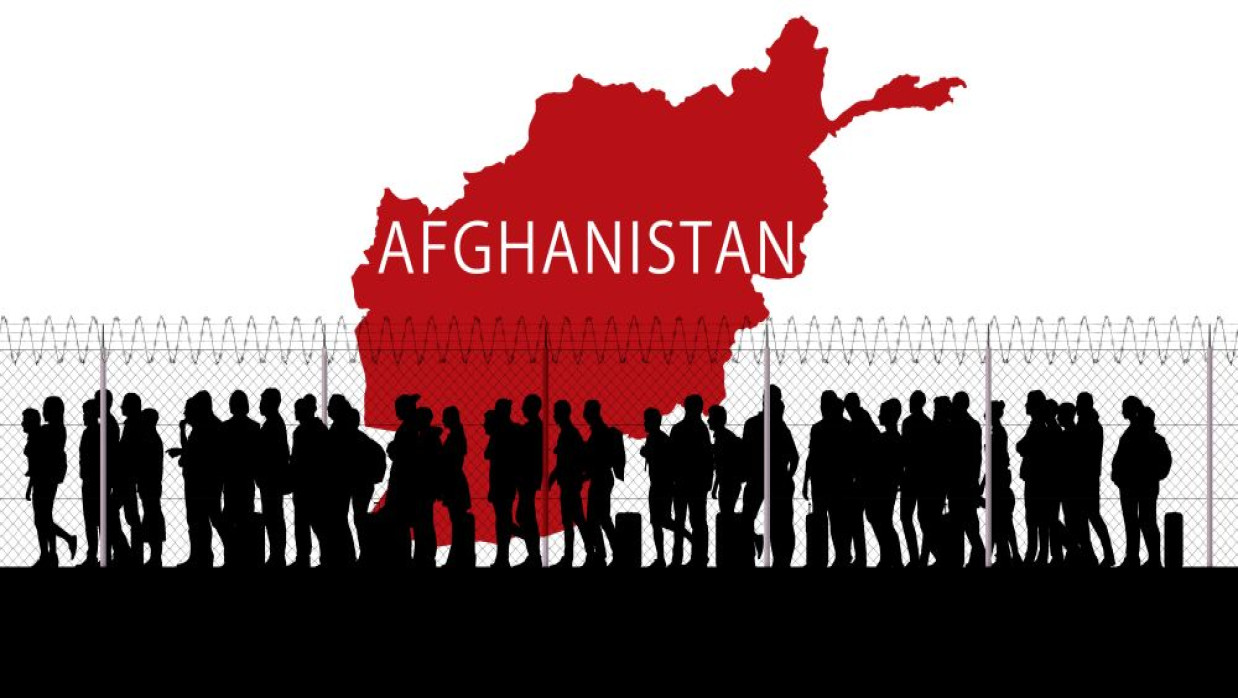
From 3rd to 5th December 2025, Independent Diplomat (ID) and the European Foundation for Democracy (EFD), two prominent non-profit and non-governmental organizations have jointly convened a high-level meeting of Afghanistan’s Democratic Opposition in Brussels. The meeting will bring together the members of the European Parliament, representatives from EU member states, and officials from key EU institutions to discuss the growing challenges posed by the Taliban’s rule and the urgent need for a credible political alternative for Afghanistan. ID remains to be the supporter of the Afghan-led initiatives and the civil society steps to keep the world’s attention on the future of Afghanistan, proposing an inclusive and democratic political environment. On the other hand, EFD is in the front line of the fight against violent extremism and radicalization while at the same time liberating and promoting the basic human rights of democracy, pluralism, and civil rights throughout Europe. That is why these organizations are expecting an important political dialogue that will lead to the resolution of Afghanistan’s political, security, and humanitarian crisis.
The Taliban regime in Afghanistan is increasingly becoming a threat not only to the regional but also global and European security. Their actions have led to chaos, violations of human rights, and the rise of extremism which might go beyond the territory of Afghanistan. In such an environment, the meeting arranged by Independent Diplomat (ID) and the European Foundation for Democracy (EFD) is a timely initiative, offering a forum for discussion and joint actions to counter the emerging problems from Afghanistan urgently.
However, the success of the Brussels meeting will depend on its ability to focus on key benchmarks that ensure meaningful progress and effective implementation. It is necessary to have an inclusive and representative political settlement in Afghanistan which can address the issue of stability and governance in the country. Central to this is the pursuit of an inclusive and representative political settlement, achieved through genuine negotiations among all Afghan stakeholders. It is very important for the country’s future as it brings stability and legitimacy. The Taliban’s actions are pushing the country towards failure in terms of statehood and thus urgent measures must be undertaken to prevent a larger crisis which includes the dialog of the Afghan parties as a major part of the solution. This meeting should move the process of requiring the Taliban to cut off all connections with terrorists and to make sure that no extreme groups operate from Afghanistan. Moreover, the Taliban's unconditional release of all foreign nationals in their possession is another key action showing the Taliban’s adherence to international norms and at the same time, allowing the way of formal diplomatic progress to be opened up.
The protection of basic human rights is equally important, especially the rights of women and girls to education, employment, freedom of movement, and civic participation, which remain non-negotiable and central to Afghanistan’s political and economic recovery. Unrestricted humanitarian access, which is to be provided only in full compliance with international humanitarian law, is another thing that is crucial for helping millions of Afghans in their misery. This access should be assured without any political interference or obstruction, as the humanitarian situation keeps getting worse due to the Taliban's rule. The resolution of these benchmarks through the meeting would be the first step towards implementing tangible and long-lasting solutions to the continuing crisis in Afghanistan.
The Taliban’s harsh and misguided policies have forced millions of Afghans to flee their homeland, creating instability beyond Afghanistan and placing significant burdens on neighboring countries and Europe. If this mass migration continues unchecked, the EU risks facing severe consequences, including a sharp rise in terrorism within its borders. Moreover, the migration could become conduct of exporting terrorism by extremist networks. This fact has been validated in the recent incident, for instance, condolence prayers performed in French mosques by people linked to terrorists following the Washington shooting that resulted in the death of two National Guards and others. However, the US President Trump took revolutionary step and halt immigration from some third-world countries as a reaction, thereby, revealing how Afghanistan’s internal failures are impacting other nations and forcing them to bear the consequences of actions by its nationals.
The Taliban have been unable to manage the situation with cross-border terrorist groups all the time, thus making the already unstable region even more volatile and leading to an increase in the conflict with neighboring countries and beyond. They have repeatedly broken international agreements, including the 2020 Doha Accord, demonstrating a pattern of habitual violations. Their refusal to engage in genuine intra-Afghan dialogue blocks any path toward stability and long-term peace. By refusing to form an inclusive government, the Taliban have sidelined ethnic and religious minorities, entrenched divisions and weakening national unity. Afghanistan has a diverse population that include Tajiks, Hazaras, and Uzbeks they were completely sidelined from governance. Pashtuns represent 40-42% of Afghanistan's population, so the government formed in the proper way would show their percentage and at the same time give fair representation to other ethnic groups instead of allocating token positions for optics.
The government has persistently turned down necessary reforms, and thus, girls have been denied access to education, women have been excluded from public life, and inclusive governance has been blocked. Human rights violations that are still taking place, especially against women and girls, point to a regime that is not even willing to comply with the most basic international obligations. The Taliban take control through terror, silencing journalists, activists, minorities and political opposition, therefore having a non-democratic and non-consensual rule over the public. The humanitarian and economic crisis has been exacerbated by their indiscriminate restrictions on aid, poor economic management, and erratic policies, while fragmented leadership and weak governance structures have further undermined state institutions and fueled internal power struggles.
Taliban isolationist policies and diplomatic hostility have left Afghanistan cut off from meaningful international recognition and investment. The regime’s reliance on censorship, intimidation, and unwarranted arrests has disheartened the public and civic space. Their failure to provide basic services, jobs, and security has intensified poverty and widespread discontent across the country. Furthermore, the blockade of non-profits and the restriction of humanitarian agencies have prevented the delivery of life-saving assistance to the most at-risk groups and, consequently, millions of Afghans have suffered more.
In a nutshell, this meeting represents a timely and crucial realization among European stakeholders of the rapidly deteriorating situation in Afghanistan under Taliban rule. The rigid and oppressive policies of the Taliban have not only undermined governance, human rights, and social stability within Afghanistan but are also generating spillover effects that threaten regional and global security. By bringing together Afghanistan’s democratic opposition and European decision-makers, the meeting provides an essential platform to address these challenges, promote inclusive governance, and coordinate meaningful international action to mitigate the growing humanitarian, political, and security crises emanating from Afghanistan.


0 Comments
LEAVE A COMMENT
Your email address will not be published