

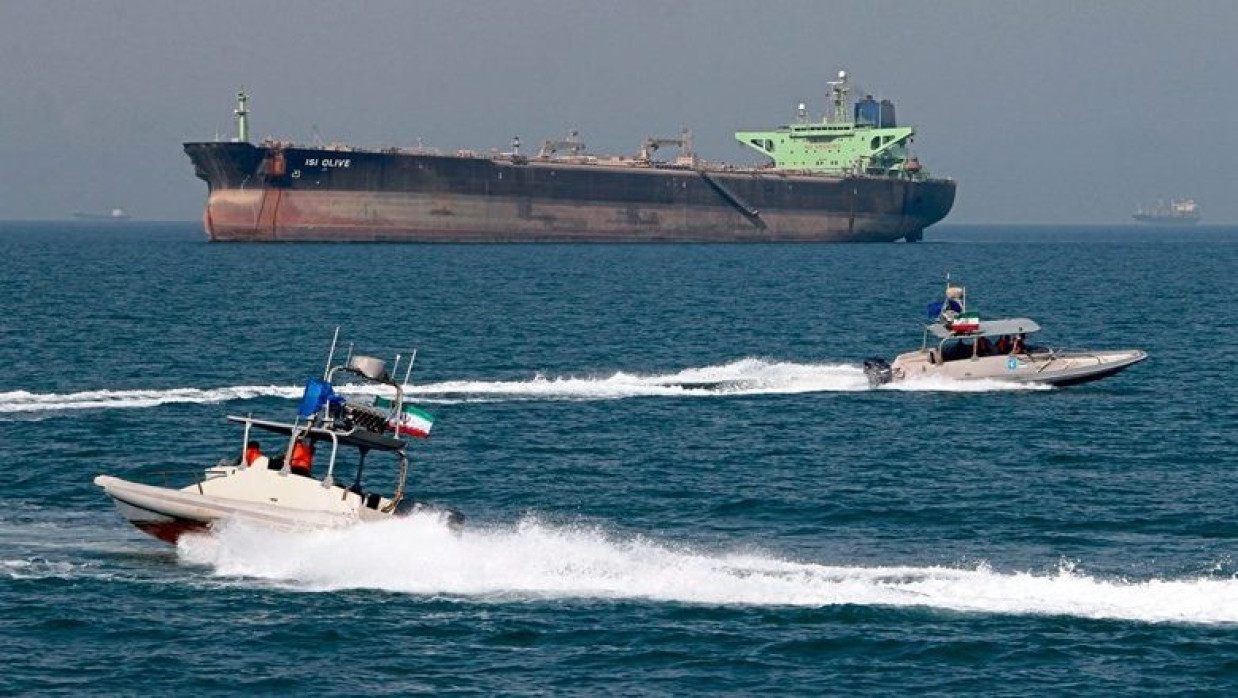
The Strait of Hormuz has long been seen as a strategic flashpoint. Should any nation attempt to dominate, blockade, or militarize the Strait of Hormuz, the repercussions would extend far beyond the Persian Gulf region.
Recent discussions about a possible U.S.-led naval blockade of the Strait of Hormuz directed at Iran have revived previous debates surrounding coercive diplomacy, energy security, and American power projection in the Middle East. While likely intended as a coercive measure to pressure Iran into compliance with international demands, decisively blocking the Strait would prove, at best, ineffective, economically disastrous, and ultimately counterproductive.
Far from diminishing Iran’s influence in the region, it would only further calcify current divides, accelerate great-power competition, and expose the limits of coercive force in a multipolar world.
The Strategic Centrality of the Strait of Hormuz
At the top of the list of vulnerable energy chokepoints is the Strait of Hormuz. Most Persian Gulf producers export their oil to world markets through Hormuz. When the Strait of Hormuz is threatened, oil prices, energy insurance premiums, and inflation in industrialized and developing countries rise. The Strait, however, is unlike any traditional geostrategic target. Closing it holds far-reaching economic, not military implications. Control over maritime traffic in the Strait enables Iran to act as a powerful energy price setter in Asia, Europe, and the United States. Iran's capacity to shut Hormuz down, even if never acted upon, puts Iranian oil wealth on par with its nuclear arsenal in terms of coercive diplomacy.
Why a Naval Blockade Would Likely Fail
Advocates of the blockade rationale assume that if Iran cannot sell its oil, the regime will cave in to Western pressure regarding its nuclear program and alleged activities of intimidation in the Middle East. The fact is, Iran has flourished despite sanctions, military threats, and ostracism for many years. Iranian political leaders view U.S. and Israeli aggression as existential threats to their independence, rather than as bargaining tactics to be overcome.
Pressed as such, Iranian leaders will dig in deeper and rally around the flag. Threats or military action will never bend Iran; they only unite its people against outsiders.
Even if the unthinkable became thinkable, imposing a blockade would be far more difficult now than it was at the height of the Cold War. Key energy consumers such as China and India have significant interests in maintaining the flow of Gulf oil. Attempts to limit traffic through Hormuz would certainly agitate Iran but would also anger countries with little interest in accommodating Western denial efforts.
Global Economic Shockwaves
An immediate risk of blockade would be skyrocketing oil prices. Periods when Gulf energy shipments have been partially disrupted have historically sparked market turmoil. It would cause runaway inflation worldwide, derail fragile post-pandemic recoveries, and fan political discontent in importing nations.
The US would be among them. Americans would pay more at the pump for transport, industry, and farmers. Already, political dynamite inflation would soar. Voters would take notice at the ballot box. American policymakers have recognized this concern in the past. Even when tensions ran high, Washington often permitted Iran to export limited quantities of oil to avoid rocking markets too severely or causing broader economic chaos.
Halting all Iranian exports flips that calculus on its head.
Iran's Asymmetric Leverage
Iran is more powerful than it seems. In asymmetric warfare, Iran's strength lies not in how much damage it can absorb but in how much it can dish out. By threatening the Strait of Hormuz, Tehran can exert pressure on tanker routes, insurance underwriters, and port activity even if it does not escalate to naval war.
Iran also boasts allies among non-state militias in Lebanon, Iraq, Yemen, and Gaza. Attacks on Iran by land or sea risk empowering Iran's proxies elsewhere. A small-scale conflict in the Strait of Hormuz risks escalation on multiple fronts.
Such dynamics make a decisive victory through blockade unlikely.
Israel, the United States, and the "Forever War" Paradigm
A further aspect of the Hormuz imbroglio concerns the burgeoning US-Israel alliance. In dealing with Iran, Tel Aviv has long sought to curb nuclear proliferation and the Islamic Republic's regional sway. Supporting this end goal, tactical military strikes have been justified as essential to halt Iranian aggression.
This amounts to a policy of "cutting the grass," temporarily hindering enemies without ever defeating them.
Applied to Hormuz, it only further sanctions endless instability.
In turn, Washington's acquiescence buys it less diplomacy and more vulnerability to Middle Eastern escalations.
The Role of China and Russia in a Multipolar Gulf
We should note that any blockade would have to be considered within the context of changing global dynamics. In previous generations, Iran stood relatively alone on the world stage; today, it has benefitted from strategic partnerships with China and Russia to varying degrees. It is unlikely that either nation would enter a conflict in the Gulf. However, both nations benefit strategically from containing U.S. influence in West Asia.
China has everything to lose from a disruption of energy imports from the Persian Gulf. China has increased its influence in West Asia through investments in infrastructure and energy development. It has a lot to lose from any halt of shipping in Hormuz.
A blockade threatening Chinese energy shipments would prompt China to push back diplomatically and, if necessary, militarily. Russia also benefits from Western containment and the development of alternative security structures in Eurasia. For these reasons, American attempts at maritime blackmail would be much harder today.
Regional Fragmentation and Arab Strategic Anxiety
A third set of stakeholders in the Hormuz equation are the Arab Gulf states. These countries have concerns about Iranian regional hegemony but also fear being drawn into a superpower conflict. If Washington and Tehran were to further militarize the Strait, it would endanger energy installations, shipping, and major population centers throughout the Arabian Peninsula. In light of this, several regional powers have been quietly pursuing engagement with Iran in recent years while maintaining security arrangements with the West. Instead of outright backing a blockade, many want a stable status quo, even if that means making concessions to Iran.
On the one hand, it's understandable, given that Gulf Arab cities would be prime targets if a conflict were to break out in the Strait. On the other hand, this lukewarm response to Iranian aggression speaks to the new reality of West Asia: that smaller countries are reluctant to balance against threats formally and would rather appease all sides whenever possible.
Historical Lessons from Past U.S.–Iran Confrontations
There are historical lessons too, which tell us not to get carried away with coercion. The 1953 Anglo-American coup that removed a democratically elected Prime Minister, Mossadeq, and replaced him with a dictator, Reza Shah. This act, which directed Iranian politics, took place in a completely different geopolitical context. Iran wasn't institutionally strong domestically, nor did it have extensive regional relationships like it does today.
Today, Iran has built up alternative markets for its economy, domestic arms production, and revisionist partners with whom it can absorb pressure.
Trying to use Cold War regime-change illusions in the modern era is a recipe for misjudging Iran and the world.
Toward a Diplomatic Alternative
Therefore, a naval blockade of Hormuz is neither going to meet its goals nor serve anyone's best interests. Rather than calming economic woes, deepening geopolitical rivalry in the region will become even more pronounced. Instead, the solution lies in resurrecting talks on not just nuclear proliferation but also a security framework that takes into consideration Iran's security concerns and maintains free passage of oil tankers through the Strait of Hormuz. The talks will be hard, messy, and politically expensive. However, history is never kind to straits ruled by gunboats. The only solution for peace in the Persian Gulf is a cooperative one.

0 Comments
LEAVE A COMMENT
Your email address will not be published