

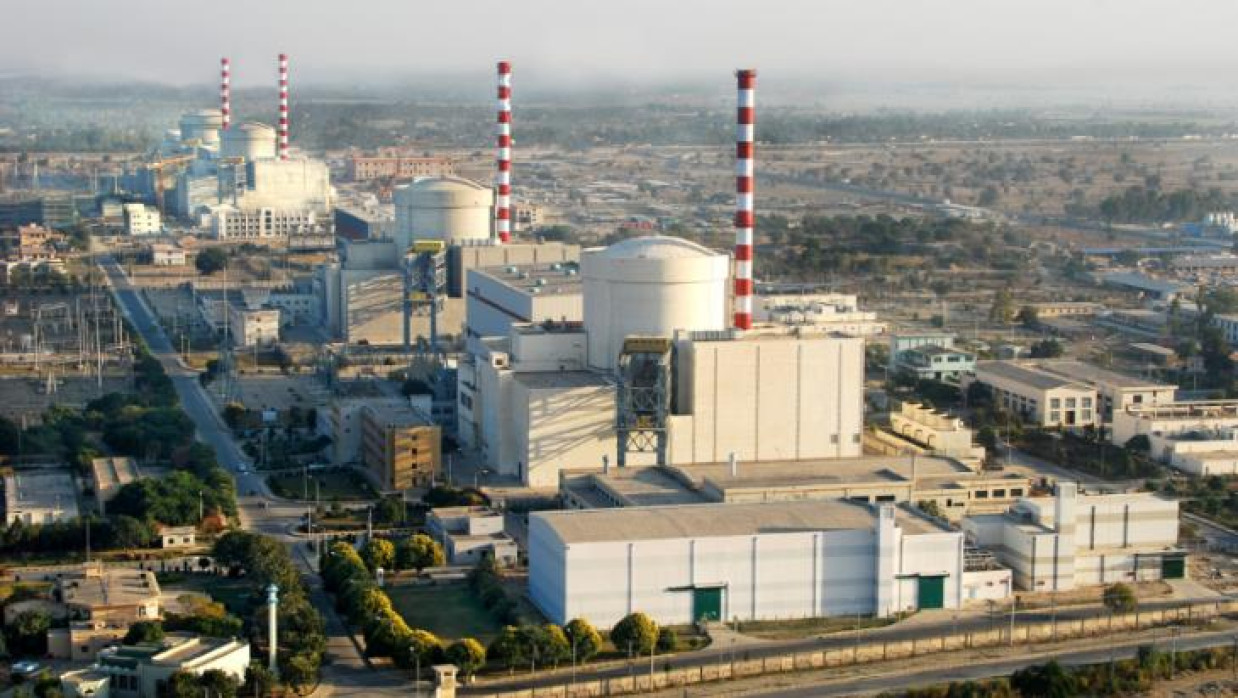
Pakistan's deal with the International Atomic Energy Agency (IAEA), on 17 September 2026, for safeguards of the Chashma-5 (1200 MWe gross capacity) nuclear power plant project is more than another procedural step in the course of development of a nuclear power plant. The deal was approved by the IAEA’s Board of Governors on 4 March 2026. Currently, Pakistan operates 6 Nuclear reactors giving a combined capacity of 3530 MW(e), which meets an average capacity factor exceeding 90%. Pakistan has decades of safe, secure and well-guarded nuclear power operating experience in line with international standards. Although Pakistan is a non-NPT state, it has a remarkable record of trust through its compliance and is committed to promote peaceful uses of nuclear technology for socio-economic development of the country.
The significance of the agreement lies in the implementation of the set rules. It also brings into focus a central reality of the contemporary nuclear order that technology and investment are not the only prerequisites for future development of civilian nuclear energy, but confidence as well. The primary purposes of the IAEA framework include safety, security, and safeguards of peaceful use of nuclear materials and facilities. These responsibilities reinforce one another, and alone, any one of these, will not effectively perform.
The safeguards deal for Chashma-5 is an opportune time for Pakistan. Energy security is a significant economic challenge as demand grows, industry demands increase and the need to reduce vulnerability to fluctuations in the imported fuel markets. Nuclear power is part of Pakistan's energy plan and is not the only energy source, renewable energy and hydropower are other sources. According to the Economic Survey 2024-25, Pakistan currently operates 6 reactors, 4 Chashma units (1330 MWe) and 2 KANUPP units (2200 MWe) making a six-reactor nuclear energy capacity to 3,530 MW gross, under international safeguards. Nuclear energy accounted for 19% of the electricity generation during FY2024-25. Chashma-5 is an additional unit currently under-construction. The unit got its Construction Licence from Pakistan Nuclear Regulatory Authority (PNRA) in December 2024. Its 1200 MWe projection would add 34%, approximately to the gross nuclear-capacity baseline.
The IAEA, in its safeguards statement for 2024, has determined that the nuclear material, facilities and other objects under safeguards in Pakistan continued to be used in “peaceful ways. This finding is backed by a proper mechanism of verification, which makes it stronger evidence than general diplomatic statements. In this broader nuclear context, this debate is not only relevant, but also timely. According to the International Energy Agency (IEA), there are 63 reactors being built around the world, with a combined capacity of over 70 GW, in the agency's January 2025 report. This shows the level of renewed investment in nuclear. It also places the importance of the quality of institutions on the agenda, expansions demand that operators and governments maintain verification, regulation and technical competence throughout a plant's life.
But a project cannot be commercially viable without safeguards. But the IEA cautions that the time until a new large reactor becomes profitable to operate could be 20-30 years from project initiation. That is not a prediction for Chashma-5 but a general finance observation. It nevertheless explains why confidence among investors also depends on construction performance, financing terms and predictable revenues. Nor does a safeguards agreement open up all avenues of nuclear trade. Nuclear Suppliers Group (NSG) guidelines cover safeguards, as well as physical protection measures, sensitive exports and other transfer conditions. More cooperation will be subject to export rules and supplier decision.
Pakistan's challenge now is to institutionalise this agreement and build broader credibility. Authorities should maintain the cooperation needed for successful IAEA monitoring and verification and promptly provide clear, non-sensitive information on the progress of IAEA work, project financing, and expected electricity costs. Explanations of regulatory oversight, emergency preparedness and waste management, decommissioning responsibilities, etc., would also help the public evaluate the project's long-term value. International partners, on the other hand, need to evaluate offers on peaceful cooperation under clear conditions, taking into account the requirements, with strict verification and clear decision-making processes. But a credible nuclear order requires viable cooperation mechanisms and binding commitments. An agreement should not be treated as a confidence or a given access. The imprint of Chashma-5 will be judged by its implementation, verification, justifiable. These responsibilities are the foundation of the architecture of nuclear trust.


0 Comments
LEAVE A COMMENT
Your email address will not be published