

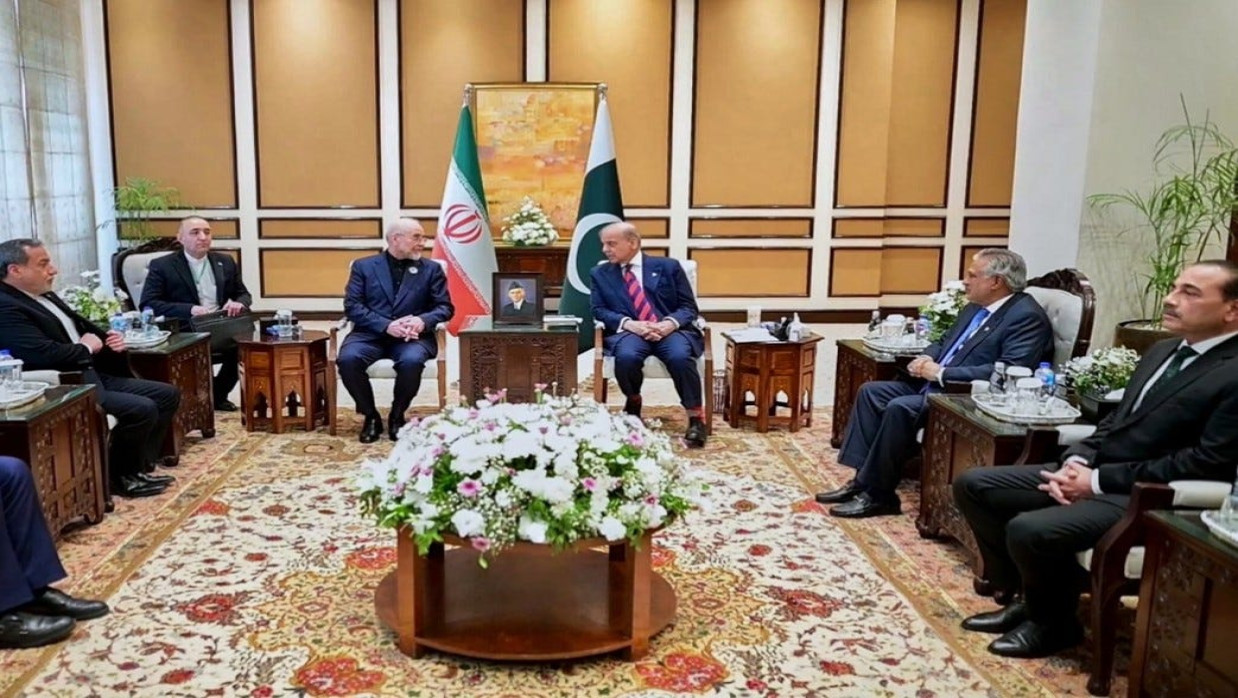
Somewhere between Donald Trump’s strong statements on Truth Social and Tehran’s firm negotiating position, an important opening still exists. The Islamabad talks on April 12 did not close that window. Instead, they showed how serious the situation is and how narrow the path toward agreement has become. Now, as Pakistan’s Chief of Army Staff Field Marshal Asim Munir continues engagement with both Tehran and American representatives, attention is turning to whether a second round of talks can achieve what the first round could not.
To understand what happened in Islamabad, it is important to be clear about what did and did not take place. The discussions did not collapse because either side was acting in bad faith. Rather, progress slowed because both parties arrived with very different views on key principles, especially around sovereignty and nuclear rights.
For the United States and its close allies, zero uranium enrichment is often seen as the starting point. For Iran, however, enrichment is not simply a bargaining issue, it is tied to national dignity, legal rights under the Non-Proliferation Treaty, and years of political and economic pressure.
After the talks, US Vice President JD Vance described Washington’s stance as its “final and best offer,” while Iran’s parliamentary leadership said trust had not yet been established. In diplomatic terms, both sides were still signaling firm positions rather than full closure. Importantly, neither side has officially walked away from the process.
That remains the most significant point: dialogue is still alive.
What a second round would need to address?
Expectedly if “Talks 2.0” phase takes place, the core issues will remain the same, even if the atmosphere shifts. Three major areas stand out: nuclear enrichment, regional maritime tensions, and broader security concerns in the region.
Each of these issues is deeply sensitive and will require carefully balanced solutions that allow both sides to maintain political dignity while making practical compromises.
Recent reports of increased maritime pressure in strategic waterways have added further complexity. While such measures are often used as leverage in negotiations, they also risk increasing tensions and hardening positions. For diplomacy to move forward, gradual de-escalation steps on all sides may be necessary to build trust.
On the nuclear issue, the framework of the 2015 JCPOA agreement still offers a useful reference point. That agreement allowed limited enrichment under strict international monitoring in exchange for sanctions relief. However, political positions have shifted since then, and any future arrangement would likely need updated terms that reflect current realities.
For Iran, any deal would also need to be meaningful enough to show its public that negotiations bring tangible benefits, especially after years of economic strain and regional instability.
Pakistan’s constructive diplomatic role
Pakistan has played a notably important and constructive role throughout this process. In a situation where several traditional diplomatic channels have struggled to bridge differences, Pakistan has emerged as a trusted facilitator for communication between key stakeholders.
Together with China, Pakistan supported early peace efforts calling for de-escalation and humanitarian considerations. Islamabad also hosted high-level discussions between US and Iranian representatives, one of the most significant engagements of its kind in years.
The choice of Islamabad as a venue reflects the confidence both sides have placed in Pakistan’s neutrality and diplomatic credibility. Importantly, Pakistan has not approached this role with any transactional expectations. Instead, it has consistently emphasized stability, dialogue, and regional peace.
Field Marshal Asim Munir’s recent visit to Tehran, alongside senior officials, further highlights Pakistan’s active engagement. Iranian leadership welcomed the visit positively and reiterated interest in continued dialogue. This kind of communication channel is essential in keeping diplomatic engagement alive when direct talks face obstacles.
In this sense, Pakistan has acted as a steady bridge, helping maintain contact even when negotiations became difficult.
What comes next?
A second round of talks is not guaranteed, but it remains a realistic possibility. The current ceasefire framework, although fragile, is still holding. Both Washington and Tehran have not fully closed the door on further engagement.
Statements from both sides suggest that while disagreements remain strong, the structure for continued dialogue still exists. The key question is whether both parties are ready to move from rigid positions toward phased compromises.
If talks resume, the format may need to change. A single meeting is unlikely to resolve long-standing issues. Instead, a step-by-step approach could be more effective beginning with confidence-building measures, gradual easing of pressure, and carefully monitored commitments on both sides.
Such an incremental approach may include limited easing of maritime restrictions alongside verified nuclear compliance steps, followed by phased sanctions relief. While complex, this type of structure has historically been more workable than attempts at a single comprehensive deal.
Timing is also critical. With existing arrangements nearing key deadlines in the coming weeks, diplomatic momentum will need to be maintained. Even small steps forward could help prevent escalation and keep negotiations on track.
A broader global interest in stability
The importance of these discussions extends well beyond the immediate parties involved. Strategic waterways such as the Strait of Hormuz carry a significant share of global energy supplies, meaning that any disruption has worldwide economic implications.
At the same time, regional instability continues to place pressure on civilian populations and economies across multiple countries. This makes sustained diplomacy not only a regional necessity, but also a global priority.
Despite challenges, the fact that the United States and Iran remain engaged in indirect and direct channels of communication is itself significant. Given the long history between the two countries, continued dialogue represents an important opportunity to prevent further escalation.
The central question now is whether this fragile diplomatic moment can be turned into a structured and lasting process.
If Islamabad continues to host and support future rounds of engagement, it may well be remembered as the place where careful diplomacy helped keep channels open at a critical moment and where a difficult but necessary path toward stability was kept alive.


0 Comments
LEAVE A COMMENT
Your email address will not be published