

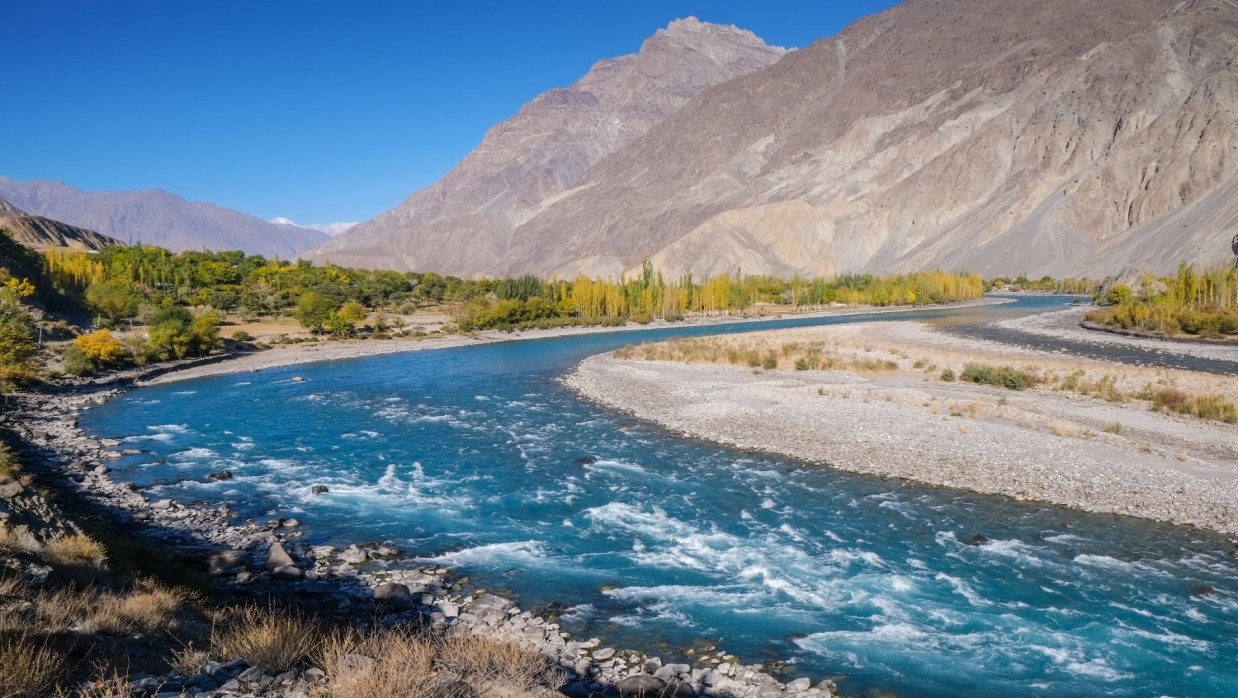
Each year on 22 March, World Water Day draws global attention to one of humanity’s most fundamental needs: access to safe, reliable, and sufficient water. While the observance often focuses on conservation, climate stress, and infrastructure gaps, it also underscores a deeper truth water is not merely a resource, but a cornerstone of human dignity, economic stability, and social resilience. Nowhere is this reality more evident than in regions dependent on transboundary river systems, where water flows are shaped not only by nature but also by political decisions. In South Asia, the Indus Basin stands as a critical example of how cooperative governance can sustain millions and how its destabilization could carry profound consequences.
At the heart of this system lies the Indus Waters Treaty, a landmark agreement that has, for decades, regulated the sharing of river waters between upstream and downstream states. Often cited by international institutions such as the World Bank as one of the most successful water-sharing arrangements in history, the treaty has endured political tensions and regional conflicts. Its resilience has ensured that water continues to flow predictably across borders, enabling agricultural, economic, and social systems to function. However, in an era marked by increasing geopolitical strain and climate uncertainty, the importance of preserving such agreements has never been greater.
For Pakistan, the Indus River system is not just a natural asset it is the backbone of the national economy. The country possesses one of the largest contiguous irrigation systems in the world, with over 16 million hectares of cultivated land dependent on canal irrigation. According to data from the Food and Agriculture Organization (FAO), approximately 90 percent of Pakistan’s food production relies on irrigated agriculture, most of which is fed by the Indus Basin. Wheat, rice, cotton, and sugarcane the pillars of both food security and export revenue depend on the timely and predictable availability of water.
This reliance creates a structural vulnerability. Any disruption in river flow predictability whether due to upstream interventions, climatic shifts, or governance failures can ripple across the entire agricultural cycle. Crops are highly sensitive to irrigation timing; even minor delays can reduce yields, degrade soil quality, and increase pest susceptibility. Research by the International Water Management Institute (IWMI) indicates that variability in irrigation supply can reduce crop productivity by up to 20–30 percent in water-stressed regions. In a country where agriculture contributes nearly 23 percent of GDP and employs over a third of the workforce, such disruptions carry macroeconomic implications.
The consequences extend beyond farm output. Reduced agricultural productivity directly affects food availability and affordability. Pakistan already faces significant food security challenges, with the Global Hunger Index consistently highlighting moderate to serious levels of undernourishment. When irrigation reliability declines, farmers often shift toward less water-intensive but also less nutritious crops, reducing dietary diversity. Simultaneously, lower yields push food prices upward, disproportionately affecting low-income households that spend a large share of their income on food. Thus, water governance instability becomes a silent driver of nutritional vulnerability.
Water security is equally critical for public health. Reliable access to clean water underpins safe drinking practices, sanitation systems, and hygiene behaviors. According to UNICEF, nearly 70 percent of Pakistan’s households lack access to safely managed drinking water services. When water supplies become erratic, communities are forced to rely on unsafe sources, increasing exposure to waterborne diseases such as cholera, dysentery, and hepatitis A. The World Health Organization estimates that poor water quality and sanitation contribute to tens of thousands of preventable deaths annually in Pakistan. In such a context, maintaining stable river flows is not just an environmental or economic issue it is a public health imperative.
The broader economy is also deeply intertwined with water availability. Hydropower generation, which accounts for a significant portion of Pakistan’s electricity mix, depends on reservoir levels and river discharge patterns. Fluctuations in water supply can reduce energy output, exacerbating power shortages and increasing reliance on costly fossil fuel imports. Industrial sectors, including textiles the country’s largest export industry require consistent water access for production processes. Urban centers, meanwhile, rely on river-fed systems for municipal water supply. Disruptions to the Indus Basin therefore cascade through energy markets, industrial productivity, and urban livelihoods, undermining economic stability.
Overlaying these challenges is the accelerating impact of climate change. South Asia is among the regions most vulnerable to climate variability, experiencing intensified floods, prolonged droughts, glacier retreat, and erratic monsoon behavior. The Indus Basin, fed in part by Himalayan glaciers, faces particular risks as rising temperatures alter melt patterns and seasonal flows. The devastating floods of 2022, which affected over 30 million people in Pakistan, illustrated the destructive potential of hydrological extremes. Conversely, prolonged dry spells strain water storage systems and reduce river discharge. In such an environment, cooperative water governance becomes not just beneficial but essential. Weakening institutional frameworks in the face of climate stress magnifies ecological degradation, accelerates soil salinity, and increases disaster vulnerability.
International water law provides clear guidance on how shared rivers should be managed. Principles such as equitable and reasonable utilization, along with the obligation to prevent significant harm to downstream states, form the foundation of transboundary water governance. These norms emphasize cooperation, transparency, and good-faith engagement. When countries adhere to these principles through binding agreements, they create predictability and trust—two elements that are indispensable for long-term planning and conflict prevention.
Conversely, when such agreements are disregarded, suspended, or undermined outside established mechanisms, the consequences extend beyond the immediate dispute. The erosion of treaty compliance weakens the broader rules-based international order, setting precedents that may encourage unilateral actions elsewhere. For lower riparian states like Pakistan, this is particularly concerning. Their geographic position inherently limits control over upstream developments, making treaty frameworks a critical safeguard against external pressures. Without these protections, the risk of water insecurity and the tensions it can generate significantly increases.
World Water Day 2026, therefore, arrives at a moment that demands renewed commitment to cooperative water governance. It is a reminder that water rights are inseparable from human rights, and that sustainable development cannot be achieved without secure and equitable access to water resources. For Pakistan, safeguarding the integrity of the Indus Waters Treaty is not merely a diplomatic priority; it is a national necessity.
Ensuring predictable Indus flows supports agricultural stability, protects rural livelihoods, strengthens food security, and sustains public health systems. It underpins energy generation, industrial growth, and urban resilience. Most importantly, it secures the well-being of millions who depend on the river for their daily survival. As climate pressures intensify and geopolitical complexities evolve, the value of cooperative frameworks becomes even more pronounced.
Defending water rights in the 21st century requires more than technical solutions; it demands political will, institutional integrity, and a shared recognition that rivers do not adhere to borders. On this World Water Day, the message is clear: sustainable development, human security, and regional stability all flow from the same source cooperation over conflict, and stewardship over unilateralism.

0 Comments
LEAVE A COMMENT
Your email address will not be published