

For Pakistan, the latest escalation in the Middle East is far from a distant televised drama; it poses real and immediate risks to its own stability. The surge in hostilities, triggered by US-Israeli strikes on Tehran and Iran’s retaliatory attacks on American bases across the Gulf, has already begun sending shockwaves across the region. For Islamabad, the fallout is likely to be felt quickly, particularly through volatility in energy markets and potential disruptions to remittance inflows.
Washington seemed to expect that removing Iran’s supreme leader would trigger political collapse or public unrest inside the country. Instead, scenes from Iranian cities showed mass mourning. Rather than weakening the state immediately, the strikes appear to have hardened public sentiment and strengthened the resistance narrative that has long shaped Iran’s political identity. This changed the conflict trajectory, and now it looks like the region is bracing for a drawn-out contest whose consequences will unfold slowly. In the Middle East, wars often begin with expectations of swift victory. They rarely end that way.
At first glance, the military balance appears heavily tilted toward the United States and its ally Israel; however, conflicts in Afghanistan and Iraq have shown that military superiority alone rarely determines political victory. Iran has traditionally relied on asymmetric tactics designed to wear down stronger foes, drawing them into a war of attrition while taking advantage of the country’s geography. One of Tehran’s most important sources of leverage remains the Strait of Hormuz, a narrow 30 km maritime corridor through which one-fifth of the world’s oil flows. Reportedly, Pakistan, China, India, and Japan get most of their oil from the GCCs, and a significant portion passes through the Strait of Hormuz. Any prolonged instability in this corridor could quickly result in rising fuel prices, potentially causing inflationary shocks that ripple through households and industries alike.
Iran’s strategy has historically been that of patience rather than rapid escalation. Instead of seeking a decisive battlefield victory, Tehran has often pursued a slower approach—using missile capabilities, regional partners, and maritime pressure to stretch conflicts over time. The objective is to survive until the political and economic cost to its adversaries rises and becomes untenable. Though Iran has limited conventional warfare capabilities, yet its large population, decentralized command and control, and rugged terrain make the prospect of the collapse of the state very low, especially in the near future.
For Pakistan, this unfolding situation presents two main issues: one is on the diplomatic front, while the other is on the domestic side.
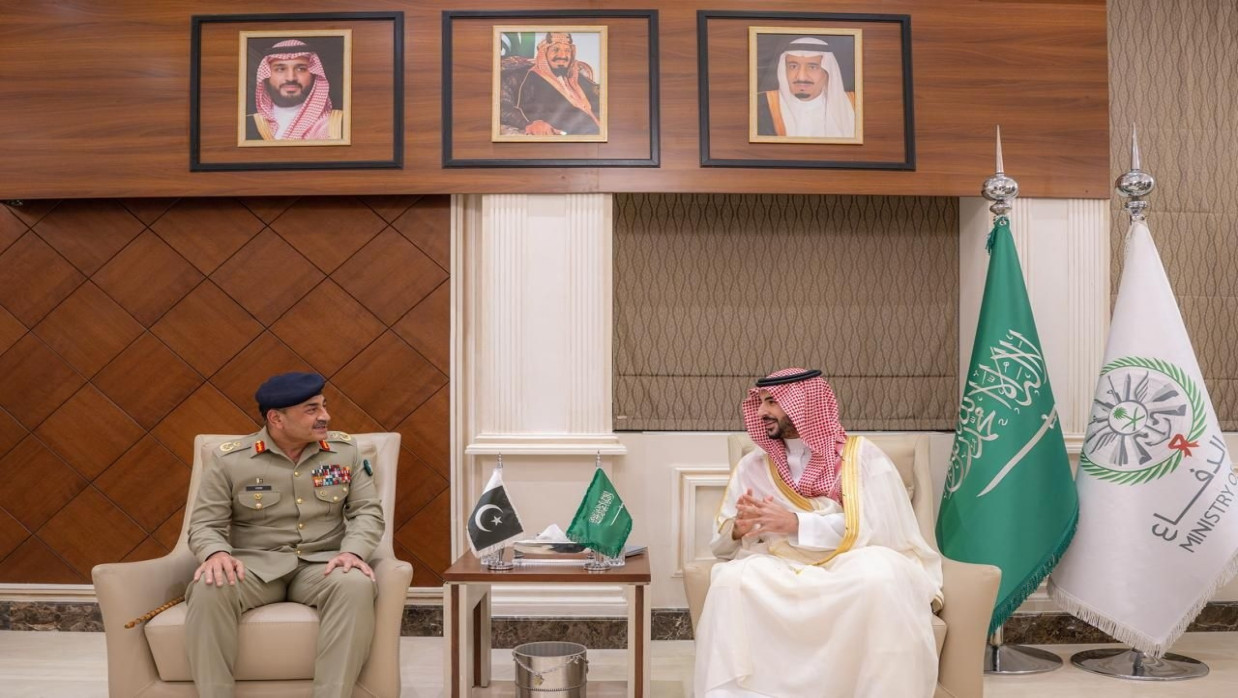
Islamabad maintains longstanding relationships with both Iran and GCC countries, especially the Kingdom of Saudi Arabia (KSA). A wider conflict in the Gulf would inevitably test this balance. Relations with KSA remain particularly important for Pakistan. Economic cooperation, security collaboration, and the presence of a large Pakistani workforce in the Kingdom have long anchored this partnership. Moreover, both countries have recently signed a Strategic Mutual Defense Agreement, which explicitly states that "any aggression against either country shall be considered an aggression against both". At the same time, Pakistan shares a long border with Iran, and maintaining stable relations with its western neighbor is important to ensure security in Baluchistan. Any escalation that forces Islamabad to take sides could place it in an uncomfortable diplomatic position.
Another concern for Pakistan is its energy security. Pakistan’s economic recovery remains fragile, and any substantial increase in global oil prices could quickly translate into higher import bills and inflationary pressures. In this sense, the Gulf crisis will not simply be a diplomatic issue; it has the potential to affect daily economic realities at home.
Moreover, any long-term conflict in the Middle East can affect Pakistan's sectarian landscape. Preventing external geopolitical tensions from inflaming internal divisions will require careful management and visionary political leadership.
Islamabad cannot afford to become entangled in the conflict whose origins lie beyond its borders. At the same time, it must carefully preserve its diplomatic relationships with all sides.
As a way forward, Pakistan should use its good relations and intensify diplomatic engagement with both Iran and the GCC states, encouraging all sides to show restraint. Quiet diplomacy—not loud alignments—offers the best chance to reduce misunderstandings and decrease the probability of hostilities.
Second, policymakers must prepare for the economic consequences of prolonged instability in the Gulf. Strengthening energy planning, diversifying supply sources, and building greater economic resilience should now become urgent priorities.
Finally, maintaining domestic stability will be essential. Regional conflicts should not be allowed to deepen sectarian narratives at home. Preserving internal cohesion may prove just as important as managing external diplomacy.
The current confrontation, in all likelihood, signals a prolonged standoff. The Middle East is poised for a major geopolitical restructuring that could affect energy markets and regional alliances for years to come. Pakistan must avoid military entanglement, double down on quiet diplomacy, and urgently diversify its energy supplies. Anything less risks exposing both its economy and its domestic stability to external shocks.

0 Comments
LEAVE A COMMENT
Your email address will not be published