

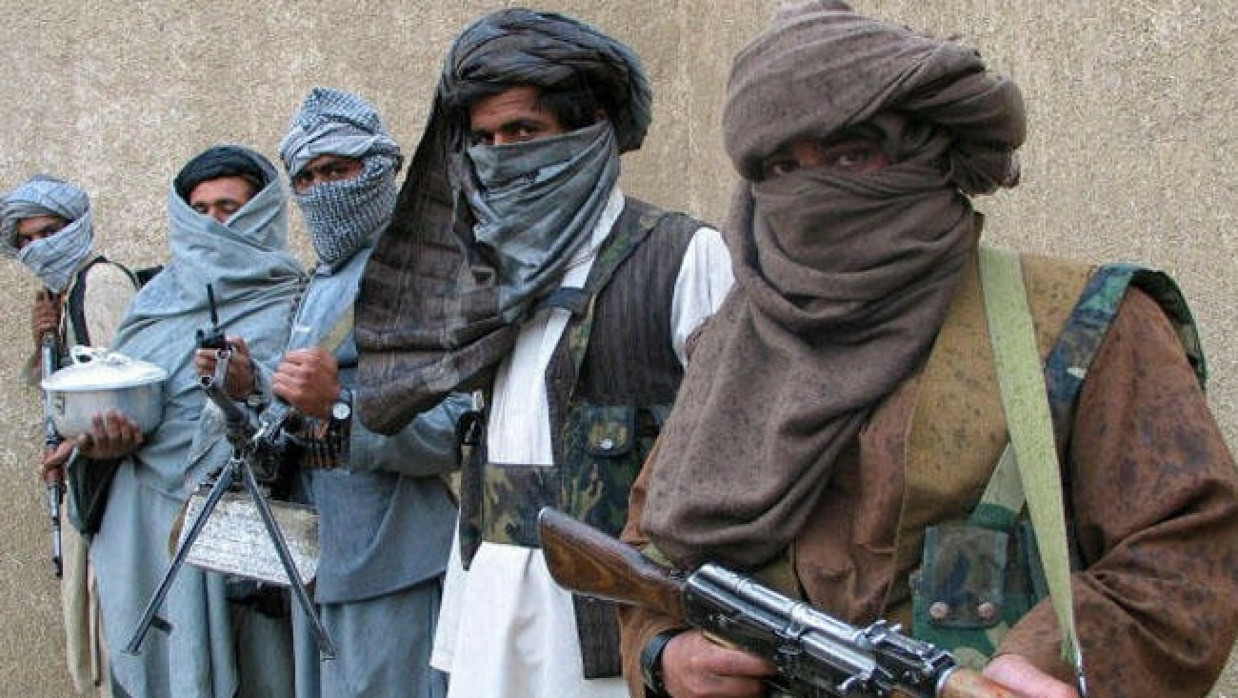
Hafiz Gul Bahadur stands as one of the most disturbing illustrations of how religion can be cynically distorted to justify violence, power, and personal ambition. Operating from Afghan territory with near-total impunity, this Khawarij leader has orchestrated attacks that spill blood on Pakistani soil while falsely cloaking himself in religious legitimacy. His campaign of violence—directed against mosques, madrasas, schools, and entire villages—represents not only terrorism, but a deliberate assault on the moral foundations of Islam itself.
Islam’s core teachings emphasize the sanctity of human life, justice, compassion, and restraint. Bahadur’s actions violate each of these principles. By targeting civilians and religious institutions, his group tramples the very values it claims to defend. What is presented as “jihad” is, in reality, a hollow slogan masking brutality, extortion, kidnapping, and indiscriminate killing. This is not a struggle for justice or faith; it is violence pursued for dominance, control, and personal gain.
The group led by Hafiz Gul Bahadur has repeatedly attacked educational institutions and civilian infrastructure, leaving behind fear and devastation. These acts directly contradict the Islamic concept of jihad, which centers on moral struggle, resistance against injustice, and the preservation of peace. Instead, Bahadur’s faction has reduced jihad to a tool of coercion—stripped of ethics and weaponized for political leverage. In doing so, it has not only harmed Pakistan but has also disfigured Islam’s image, reinforcing dangerous misconceptions about the faith worldwide.
What makes this phenomenon particularly insidious is the calculated manipulation of belief. Bahadur exploits religious sentiment to mobilize followers, many of whom come from vulnerable and marginalized backgrounds. By twisting scripture and exploiting grievances, he presents himself as a guardian of Islam while pursuing an agenda rooted in chaos. The rhetoric of unity and righteousness masks a darker objective: the expansion of violent influence through fear and destabilization. Religion, in this framework, becomes not a moral compass but a recruitment tool.
This threat is compounded by the environment in which Bahadur operates. His network benefits from sanctuaries across the border in Afghanistan, where the Afghan Taliban’s tolerance—and in some cases protection—has allowed militant groups to survive, regroup, and plan attacks without meaningful restraint. Afghanistan has effectively become a permissive space for such actors, enabling them to strike Pakistan while remaining beyond immediate accountability. The presence of these groups, unchecked and emboldened, continues to destabilize the wider region.
The problem extends well beyond one individual or faction. Other terrorist organizations, including the TTP and ISKP, also exploit the same permissive environment. The Afghan Interim Government’s inability—or unwillingness—to dismantle these networks has created an umbrella of impunity under which militants operate. This convergence of ideology, sanctuary, and weaponry has turned cross-border terrorism into a persistent and evolving threat.
Pakistan, meanwhile, has demonstrated resolve in confronting this challenge. Through intelligence-led operations and targeted military actions, the state has intensified its counterterrorism campaign. In 2025 alone, more than 2,500 Khawarij militants were eliminated, reflecting a clear message that terrorism will be met with force and determination. These efforts underscore Pakistan’s commitment to reclaiming peace and protecting its citizens, even as the threat adapts and resurfaces.
The international dimension of this crisis cannot be ignored. Afghanistan’s war economy—sustained by illicit arms markets—continues to fuel militant violence. The vast stockpiles of weapons left behind after 2021 have flooded black markets, empowering groups like Bahadur’s with sophisticated firepower. These arms do not remain confined within borders; they travel, destabilize, and kill. As long as this pipeline remains intact, militancy will continue to find oxygen.
Ultimately, the case of Hafiz Gul Bahadur exposes a larger and more dangerous truth: when religion is hijacked by extremists and shielded by permissive sanctuaries, the consequences are catastrophic. His campaign of violence has nothing to do with faith and everything to do with power. Pakistan’s struggle against such forces is not a war against religion, but a defense of it—alongside the defense of human life, social order, and regional stability.
The path to lasting peace demands more than military action alone. It requires dismantling sanctuaries, choking off illicit arms flows, and confronting the ideological distortions that extremists propagate. Pakistan has shown its resolve to do its part. The question that remains is whether the regional environment—particularly Afghanistan—will cease to be a refuge for those who turn faith into a weapon and violence into doctrine.

0 Comments
LEAVE A COMMENT
Your email address will not be published