

Heavy-Handed Crackdown in Kashmir Following Police Officer’s Killing
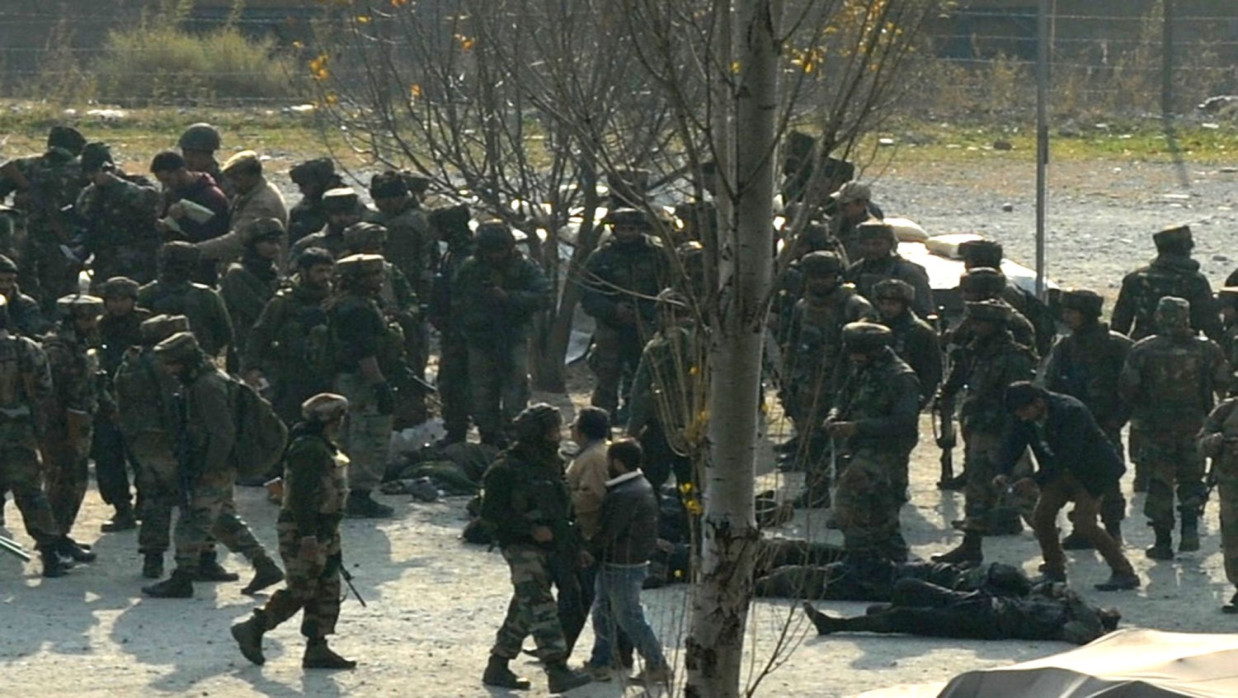
The killing of a police officer in Anantnag has triggered one of the largest security crackdowns in Kashmir since India revoked the region’s special constitutional status in 2019. More than 2,500 people have reportedly been detained, while the homes of two suspected militants have been demolished. Although the authorities describe these measures as necessary to dismantle networks supporting terrorism, critics warn that they resemble collective punishment and may deepen public alienation.
Head Constable Ashiq Hussain Qureshi, 45, with the Jammu and Kashmir Police, was killed by a gunman while he was performing security duty at Lal Chowk in Anantnag on July 22. Resistance Front, which is claimed to be a proxy of Pakistan-based Lashkar-e-Taiba by Indian officials, claimed responsibility for the attack. It was considered to be the deadliest insurgent attack in Kashmir Valley since 20Pahalgam attack, where 26 people, mostly tourists, were killed in 25.
Two days after Qureshi’s death, security forces destroyed the homes of two suspected Lashkar- e-Taiba militants, Adil Ahmad Thokar and Haroon Rashid Ganaie, with controlled explosions. Both suspects were known militants and both of their families' property had been previously demolished.
Police said those detained included suspected militant associates, members of banned separatist organizations, former stone-throwing protesters and people previously named in militancy-related investigations. Officials maintained that the arrests were based on credible intelligence and intended to dismantle the wider “ecosystem supporting terrorism.”
Lieutenant Governor Manoj Sinha condemned the killing and said those responsible would be punished. Chief Minister Omar Abdullah condemned the attack but objected to the arrest of thousands. Omar warned that public anger against the killing of a constable might be directed at the government if action by security forces looked like witch-hunting.
Other Kashmiri political leaders expressed similar concerns. Former chief minister Mehbooba Mufti and Jammu and Kashmir Peoples Conference President Sajad Lone said the measures appeared closer to punishment of an entire community than a carefully targeted investigation. People’s Democratic Party legislator Waheed Parra questioned why compassion shown toward student protesters elsewhere in India was not extended to Kashmir’s youth.
Observers say the crackdown shows how limited New Delhi’s security-first policy has been. Praveen Donthi of the International Crisis Group said that stability due to a heavy dose of security is only skin-deep. He added that every militant attack undermines government assertions that life has returned to normal.
Kashmir is one of Asia’s most dangerous flashpoints. Plagued by competing Indian and Pakistani claims, religious identity, nationalism, and decades of armed conflict. Security forces have a responsibility to protect police officers, pilgrims, tourists, and civilians. Security cannot be maintained by force alone. Mass arrests and punitive home demolitions may allow for temporary suppression, but they will create the resentment that fuels militancy. Lasting peace will come through accountable policing, political dialogue and justice that treats individuals rather than punishing entire families or communities.


0 Comments
LEAVE A COMMENT
Your email address will not be published