

The deepening crisis between the U.S., Israel, and Iran exposed India's weakness. New Delhi has traditionally practiced strategic ambiguity in West Asia because it trades with Iran and imports oil from Gulf monarchies while also strengthening ties with Israel. India has avoided taking sides during crises like the latest attack on Iran and hopes to continue engaging with all countries in West Asia without hindrance.
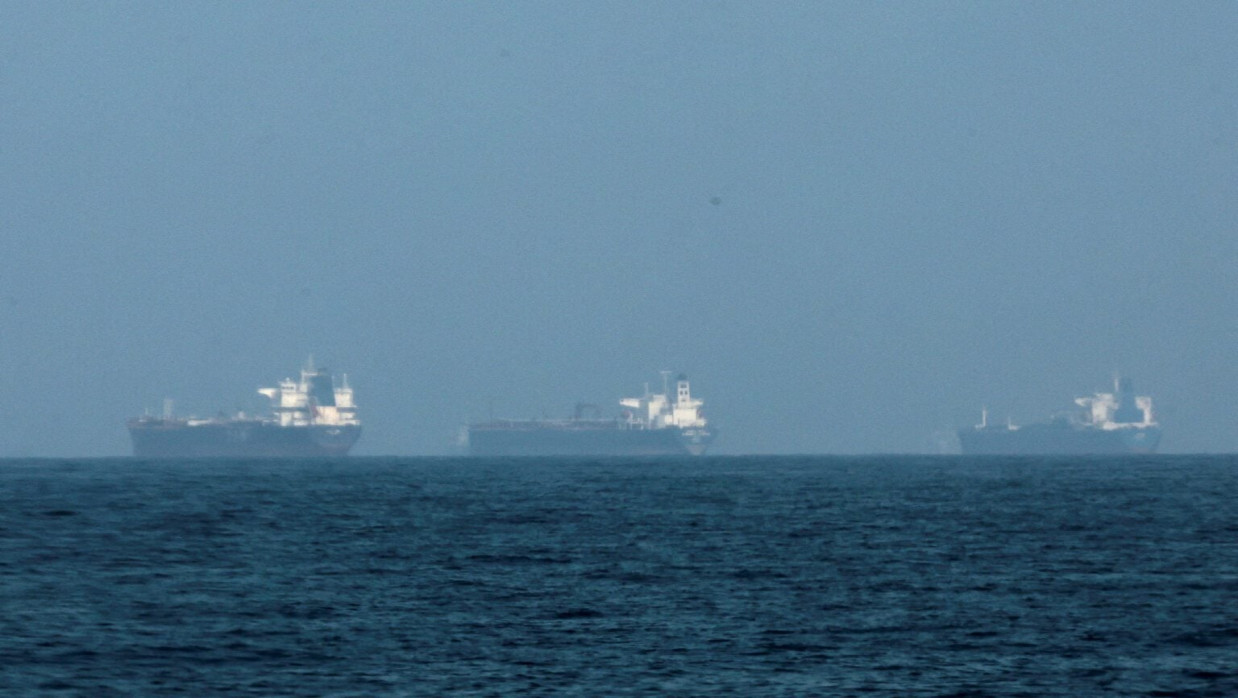
However, India will find it increasingly difficult to pursue this policy because Gulf security affects Indian businesses through oil prices and billions of dollars in remittances from citizens working there. Conflict in West Asia means higher fuel prices in India, lower factory production, and Indian households cutting down on cooking gas cylinders and food. India has managed to bring at least six vessels carrying crude oil through Hormuz so far by giving Iran assurances, after taking advantage of the U.S. waiving sanctions on Iranian oil for now. Oil prices could rise further if tensions escalate. That said, Iran will not facilitate free navigation unless it benefits Iran politically. So India will have to link its support for Iran with concrete assurances that New Delhi can publicize.
India is quietly moving closer to the U.S. position by not criticizing Israel too much after Iran's frigate IRIS Dena, which had participated in the International Fleet Review (IFR) in India, was sunk by USS Charlotte within hours. This annoyed many in India who expected New Delhi to take Iran's side. India also has strategic interests in Israel. India not only sells arms to Israel but has also inked deals to buy Israeli spy drones and technology for its northern border. Israel also supplies critical defense technology, such as the Barak-8 missile system, designed to defend against UAVs. India and Israel are also cooperating in cyber and intelligence matters. India will have to move closer to the U.S. because it has bigger interests at stake in its Indo-Pacific strategy than in West Asia. India's silence on the issue has angered some Indians who have historically seen Iran as a counterweight to Pakistan and the Taliban.
There is also the threat that Pakistan will use this opportunity to increase its footprint in West Asia. Pakistan's offering to mediate between the U.S. and Iran won't help. In fact, Pakistan and Saudi Arabia signed a "strategic mutual defense agreement" in September 2025. Pakistan stayed neutral when Iran attacked Saudi military facilities. If Pakistan increases its military ties with Gulf countries at India's expense, it will be a serious problem for New Delhi. Many Gulf countries are wondering whether they can continue to rely on the U.S. for security amid the U.S.'s erratic policies. If that is the case, they will have no problem turning to Pakistan. India has invested over a decade in building strong trade and people-to-people ties with West Asian countries. Pakistan will want a share of the Gulf caravan if it gets the chance, playing kingmaker.
In the context of growing Iran–U.S. tensions, India's foreign policy options in West Asia have come under severe strain, underscoring the limitations of New Delhi's hedging strategy with multiple players in the region. Amidst the tensions between Tehran and Washington, India's strategic and economic weaknesses, including its energy security concerns and diplomatic limitations, have come to the fore. It will now be forced to take sides sooner than it would have liked. Much would depend on how India adjusts its West Asia policy as the crisis unfolds, and how staunchly it defends its interests in the region.


0 Comments
LEAVE A COMMENT
Your email address will not be published