

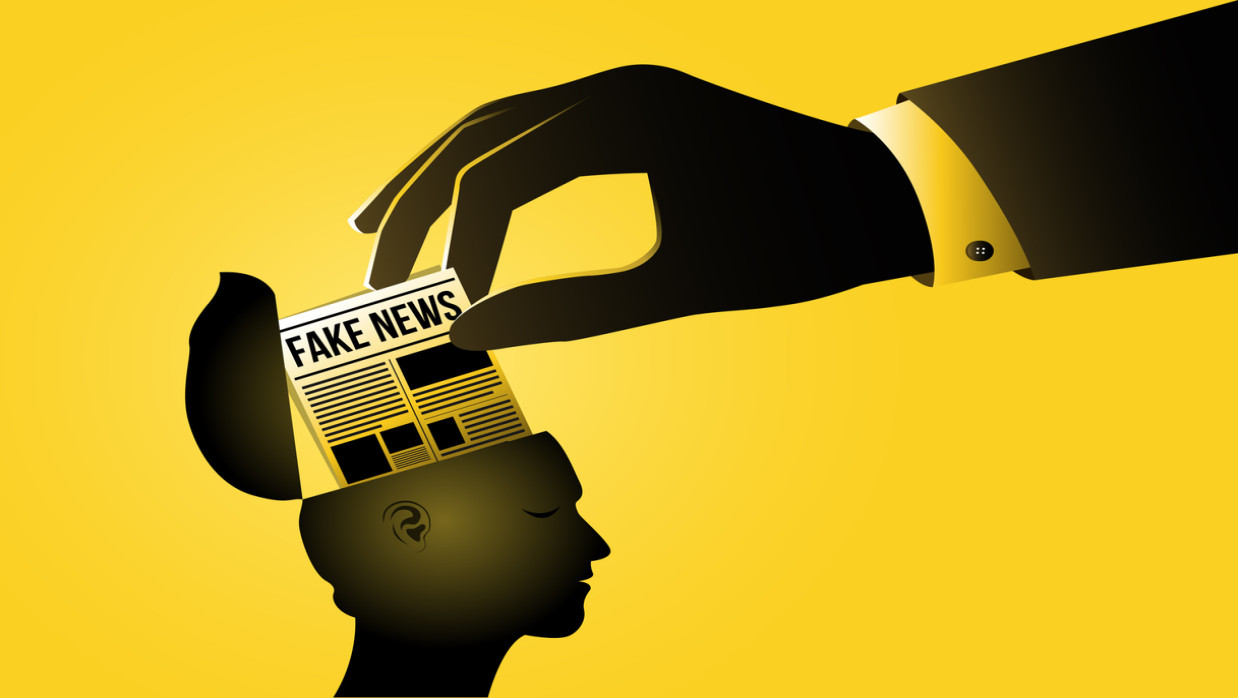
The major shift brought by digital media to the existing ties among political speech, public order, and the rule of law has been nothing short of immense. The social media channels have made it easier for people to engage in public discourse, thus granting them with the utmost access to and participation in politics and information. However, on the contrary, these channels have also provided a platform for misinformation, manipulation of influence through coordination, and outrage-driven monetization—all being the very phenomena that threaten and pose real challenges to the effectiveness of democratic governance in the world.
Disinformation goes beyond misinformation; in many cases, it is intentionally created, processed, and aimed at eliciting emotional reactions, mistrust, and division. The algorithmic amplification favors sensationalism over verification thus making the spreading of false stories faster than the spreading of their corrections. Such stories, when they come together with social unrest, can lead to real-world damage such as violence and loss of trust in institutions.
On the other hand, and in a similar way, regulatory measures against disinformation can also be doubted as they present a serious concern: the possibility that the governments will abuse the situation and apply public order or national security claims to quiet down dissent, ban investigative journalism, or eliminate political opposition. This very conflict—whereon the one hand is harm prevention and on the other hand is free expression—constitutes the core of all the discussions and debates about the digital regulation and legal accountability in the present time.
The riots in the United Kingdom during July-August 2024 show both aspects of the problem. The online misinformation that came out as a result of the Southport murders led to the escalation of the already tense situation between two communities. It also resulted in violence against mosques, police, and the facilities for migrants. The British government viewed the intentional dissemination of false inflammatory reports as an issue of public safety rather than as a case of protected journalism and thus featured highly the principle that free speech does not cover incitement or knowingly false allegations that create harm at the very least non-accidentally.
IN the same time the UK’s legal structure is reinforced with strong guarantees independent courts, public trials, and a long time considered the difference between opinion and false fact. The fact that this institutional context is present plays an important role. The accountability for disinformation gets its power from being inside a process of due process that clearly demonstrates rather than being a case of political expediency.
Pakistan is politically more polarized but the digital environment is quite similar structurally. Since 2022, there has been an escalation in the extent of confrontation in online political discourse, with social media to a large extent and YouTube completely shaping public perception. In this atmosphere, accusations are sometimes made against judges, military officers or investigators and crimes of the most serious nature are stated without proof. These accusations are often circulated very quickly without any form of verification. Pakistani courts have said that the matter, especially when it is repeated and spread out, goes from protected criticism to defamation, incitement or interference with the judicial process.
Nonetheless, Pakistan's situation also calls for restraint. The past of the country concerning political repression, the ever-changing civil-military relations and the widespread lack of trust in institutions make legal actions against online actors to be seen with skepticism—both domestically and internationally. Consequently, in the areas where courts act legally, public lack of confidence can help to weaken the credibility of enforcement.
The presence of foreign-based commentators and YouTube personalities adds another layer of complexity to the situation. The use of digital platforms allows these individuals to have a great impact on the audiences of the countries while operating outside the boundaries of the respective nations. The different ways of making money out of these situations encourage the emotional dynamic to be raised even more, and they merge stressfully activism, commenting, and commercial businesses together. Courts in various jurisdictions, including the UK, have asserted that knowingly false allegations disguised as facts are not protected by the law of free speech, however, there is no consistency or agreement on this matter regarding enforcement in different countries.
he question, is not whether states should react to the disinformation used as a weapon they have to, but the question is over the method. Heavy-handed crackdowns, secret prosecutions or selective enforcement may, on the one hand, risk giving credence to the accusations of political oppression and may, on the other hand, inadvertently strengthen the networks of disinformation. On the other hand, inaction, on the contrary, will help in the spread of falsehoods that will erode trust, provoke violence and hinder governance.
A sustainable method necessitates the presence of several components:
- The definition of legal standards that are unequivocal and that delineate opinion, criticism, and satire from false factual assertions and incitement.
- Courts that are open in their procedures and that allow for the inspection of evidence and reasoning.
- Accountability of platforms, especially in relation to the revenue generated from content that is proven to be false and harmful.
- Independent media and fact-checking, which are able to question not only the narratives of the state but also the campaigns of disinformation.
In the end, the line separating free speech from criminal liability is not an ideological one but a legal one, and moreover, its application should be done with great care. The same crucial test applies to democracies and hybrid systems of governance: whether they can deal with the issue of digital disinformation without compromising the very rights they intend to secure. The acceptance of any reaction will not depend on its slogans but on its uniformity, scale, and fidelity to the law.


0 Comments
LEAVE A COMMENT
Your email address will not be published