

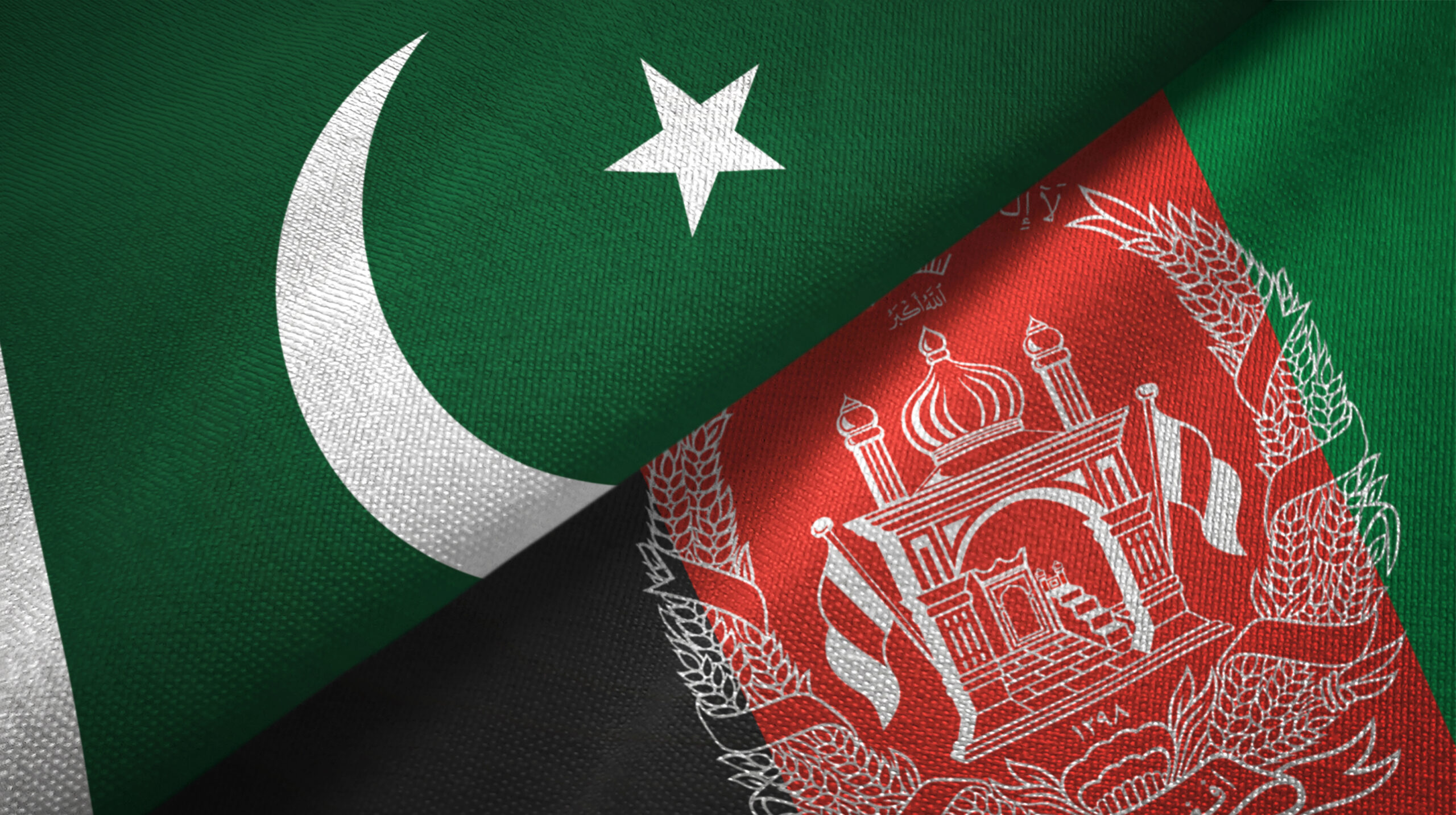
Pakistan and Afghanistan flags together relations textile cloth, fabric texture
A recent revelation by former Afghan General Sami Sadat has reignited serious concerns about a covert and dangerous alliance forming in Pakistan’s neighborhood. General Sadat’s claim that the Taliban, backed by Indian funding, are enabling anti-Pakistan militant outfits like Tehrik-i-Taliban Pakistan (TTP) and Baloch separatists marks a grave escalation in regional security dynamics. For Pakistan, these allegations validate long-standing suspicions about external powers exploiting Afghanistan’s instability to orchestrate violence on its soil.
General Sami Sadat’s statement is not to be taken lightly. As a high-ranking officer with intimate knowledge of Afghanistan’s defense landscape, his words carry significant weight. By confirming that Indian money is funneled through Taliban channels to fuel terrorism in Pakistan, he has effectively peeled back the curtain on a complex proxy war. His disclosure supports Islamabad’s claims, long dismissed in international forums, that India has been leveraging Afghan territory to support terrorist proxies against Pakistan.
Sadat’s assertions also give new credence to the statements made by Pakistan’s Defense Minister Khawaja Asif and top military officials, who have consistently raised concerns about India’s intelligence agencies backing militants via Afghanistan. For years, Pakistani authorities have submitted dossiers and intelligence reports to the United Nations and other international bodies, alleging Indian involvement in sponsoring terrorism, particularly through the eastern Afghan corridor.
India’s engagement with the Taliban, once viewed with suspicion by many, now appears more transactional than strategic. While India publicly distances itself from the Taliban, covert ties seem to flourish. The channeling of funds and material support to groups like TTP and Balochistan-based insurgents is not just about immediate tactical gains; it is part of a long-term destabilization agenda aimed at weakening Pakistan from within.
This form of hybrid warfare—using ideology, money, and geography—exploits the Taliban’s control over swathes of Afghanistan. Under the cover of religious affinity and tribal connections, terrorist groups receive arms, intelligence, and sanctuary, creating a persistent threat for Pakistan’s western border regions.
Further compounding the problem is the Taliban’s access to U.S.-made military equipment abandoned during the chaotic withdrawal from Afghanistan in 2021. Footage from militant propaganda videos, intelligence intercepts, and the recovery of advanced weapons during Pakistani counter-terrorism operations confirm that American equipment is being used by TTP in attacks on Pakistani security forces.
This dangerous turn of events should alarm Washington as much as Islamabad. What was once a U.S.-led arsenal meant to defeat terrorism has now empowered extremists. This raises pressing questions about the accountability of military assets and the unintended consequences of foreign interventions in fragile states.
The international community’s response has been largely tepid. Despite mounting evidence, Western powers have been slow to confront India about its regional adventurism. Instead, New Delhi’s narrative as a bulwark against Chinese expansionism and a democratic counterweight in Asia has often shielded it from scrutiny.
For Pakistan, this emerging India-Taliban nexus represents a multidimensional threat. It not only undermines territorial integrity but also aims to disrupt the country’s economic and political fabric. Persistent attacks in Balochistan and Khyber Pakhtunkhwa regions have impeded development projects, strained civil-military relations, and fueled internal displacement. By targeting soft infrastructure, India and its proxies aim to break the social and economic backbone of restive provinces, weakening Pakistan’s federal cohesion.
To counter this evolving threat, Pakistan must adopt a comprehensive national strategy that fuses intelligence, diplomacy, and regional alliances. First, the country must escalate diplomatic pressure by internationalizing the evidence collected through its intelligence agencies. Creating platforms where voices like General Sadat can be amplified may also serve as a wake-up call to global powers.
Second, counter-terrorism operations must expand into new domains. The nexus thrives on propaganda, misinformation, and online radicalization. Cyber surveillance and counter-narratives must be deployed with urgency. Additionally, greater security cooperation with China, Central Asia, and even skeptical partners like the United States is essential to build regional consensus against terrorism.
Lastly, internal unity is paramount. Political polarization weakens the state’s resolve and provides openings for adversaries. A bipartisan commitment to national security objectives, especially in sensitive provinces like Balochistan, is essential to deny space for extremist narratives.
The India-Taliban nexus, as exposed by General Sadat, is not a mere diplomatic irritant. It is an existential threat that demands swift and coordinated action. Pakistan must push the international community to recognize the gravity of this alliance, not just for its own security, but for the stability of South Asia as a whole. Silence is no longer an option. The world must choose between appeasing powerful actors and standing by the principles of sovereignty, non-interference, and regional peace.


0 Comments
LEAVE A COMMENT
Your email address will not be published