

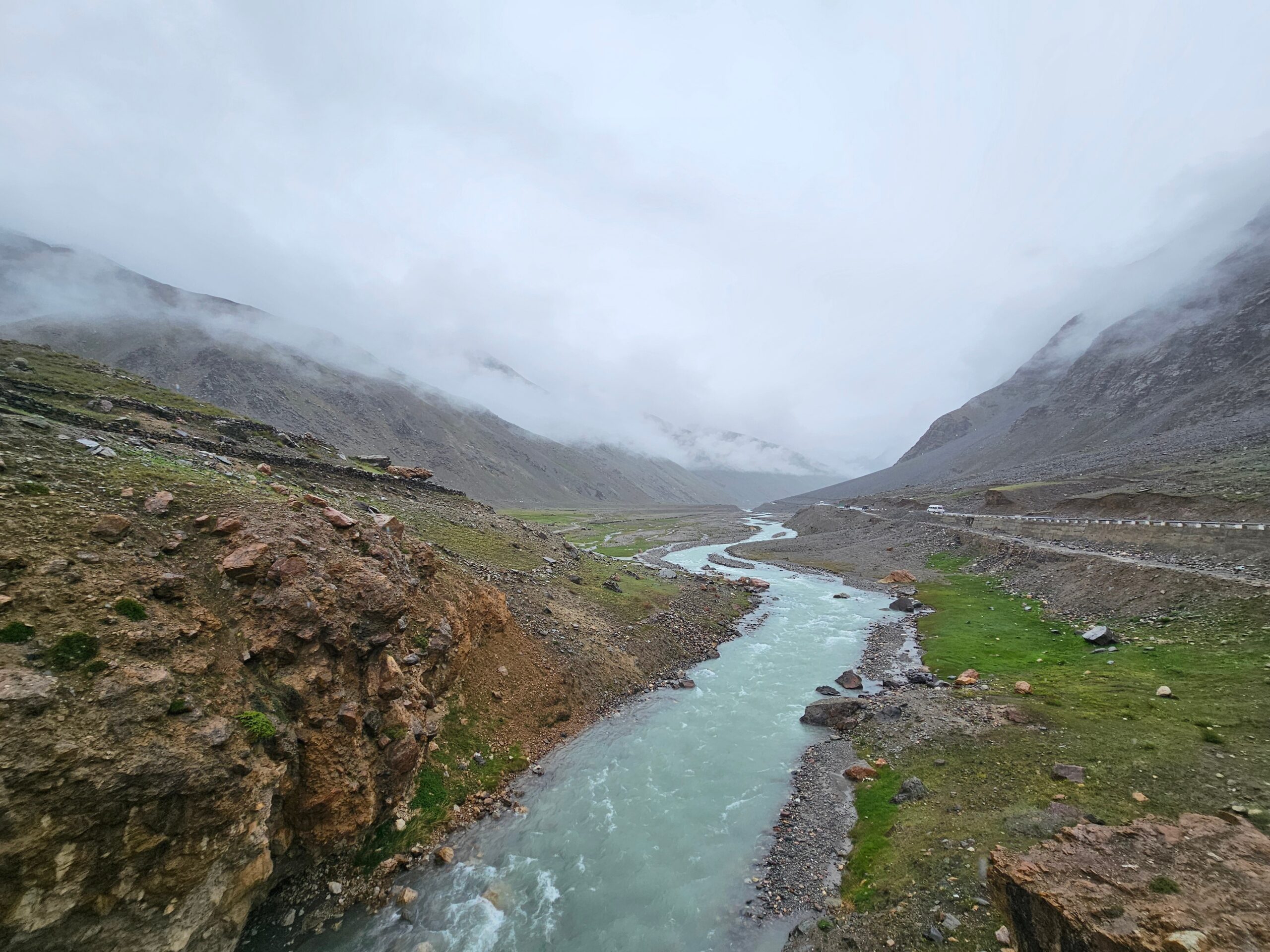

The unfolding humanitarian crisis in Himachal Pradesh, where 75 people have lost their lives in less than two weeks of relentless monsoon havoc, is not merely a consequence of nature’s fury. It is an indictment of India’s long-standing failure to manage its water resources and adapt to the realities of climate change. As hills crumble, rivers rage, and villages vanish, the absence of proactive governance becomes painfully clear.
Between June 20 and July 4, 2025, torrential rains, cloudbursts, and flash floods wreaked havoc across the hill state. According to data from the State Emergency Operations Centre (SEOC), 45 people died directly due to rain-triggered disasters, while another 30 perished in associated incidents such as electrocution, road accidents, and even a gas explosion. Over 288 people have been injured. Damages to infrastructure and property are estimated to be a staggering Rs 541.09 crore. The sheer scale of this destruction points not just to natural volatility but also to systemic failure.
For years, experts have warned that India’s haphazard urbanization, unregulated construction, and deforestation in fragile ecosystems like Himachal Pradesh are recipes for disaster. Yet, successive governments have continued to allow development that disregards the region’s ecological sensitivities. The cost is now being paid in blood and rubble.
The hill state’s towns and villages, nestled in precarious terrain, have become increasingly vulnerable due to the twin pressures of population growth and unplanned infrastructure expansion. Roads are cut into mountainsides with little regard for geological safety. Concrete replaces forest cover. Water channels are diverted without assessment. Disaster management remains reactive rather than preventive. The result? A state perpetually on the brink every monsoon. The tragedy in Mandi district, where 14 people were killed and 31 remain missing after cloudbursts and flash floods, is a harrowing example. Entire villages have been cut off. Households swept away. Roads and bridges collapsed. Thousands of hectares of agricultural and horticultural land have been destroyed, robbing communities not only of their present security but their future livelihoods.
The magnitude of livestock loss—over 10,000 poultry birds and 168 cattle—is another blow to rural families already battling economic distress. These are not mere statistics; they are testimonies of lives upended, of families pushed further into poverty, and of communities losing resilience with every passing storm. While the state government has announced ex-gratia payments and mobilized emergency services, these are mere band-aids on a gaping wound. What Himachal—and by extension, India—needs is structural reform. The nation’s water management policies are fractured, reactive, and ill-suited to a country facing increasingly erratic rainfall patterns and extreme weather events.
India’s monsoon is both a blessing and a curse. While it sustains agriculture, it also triggers devastation when not managed properly. Yet, water continues to be treated not as a strategic asset but as an afterthought in policy planning. Watershed management remains poor. Flood forecasting infrastructure is inadequate. Inter-departmental coordination is sluggish. Community participation in disaster preparedness is limited. Moreover, climate change is amplifying existing vulnerabilities. With rising temperatures, the Indian monsoon has become more unpredictable and intense. The frequency of extreme rainfall events has increased. However, disaster planning in India remains rooted in 20th-century assumptions. There is a clear mismatch between the pace of climate change and the pace of India’s preparedness.
What Himachal Pradesh is experiencing today could be replicated tomorrow in Uttarakhand, Assam, Kerala, or Maharashtra. The symptoms are national; the treatment must be systemic. India needs a unified water management authority empowered with real-time data, integrated planning tools, and legislative authority to enforce risk-sensitive land use. Hydrological mapping, updated annually, must inform all infrastructure decisions, especially in vulnerable zones. Furthermore, early warning systems must be modernized and decentralized. Local communities should be equipped with the tools and training to respond before disaster strikes. Investments in resilient infrastructure—such as flood-resistant housing, reinforced roads, and reliable communication networks—are no longer optional. They are urgent.
Public awareness is also vital. People continue to build homes in floodplains and landslide-prone zones due to lack of alternatives or awareness. Government must lead with education campaigns and incentives to promote safer practices. Building codes should be enforced rigorously, and violations penalized strictly.
India cannot afford to be caught unprepared, year after year, rain after rain. The tragedy in Himachal is not an anomaly—it is a preview. If urgent steps are not taken, more states will follow. The question is no longer whether India can manage water better. The question is whether it can afford not to. The nation must wake up to the deluge, not with sympathy alone but with systemic change. For every village drowned in silence, for every hill town that crumbles under neglect, India owes more than compensation. It owes resilience. It owes responsibility. It owes reform.


0 Comments
LEAVE A COMMENT
Your email address will not be published