

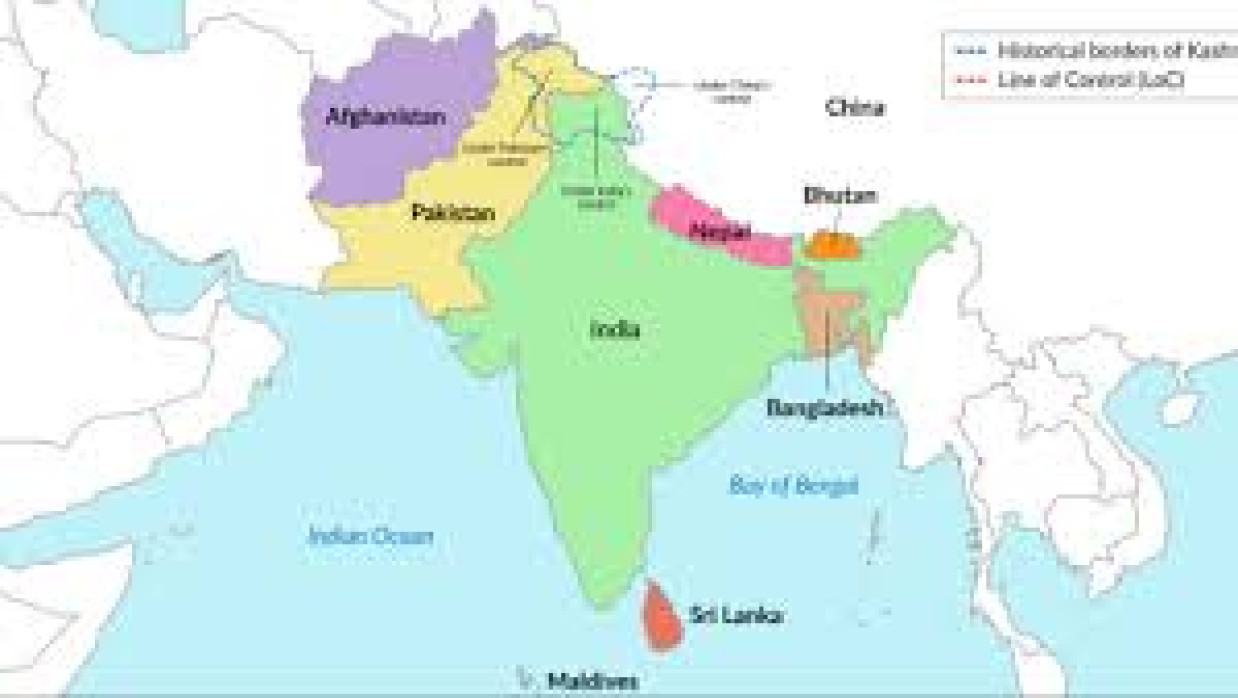
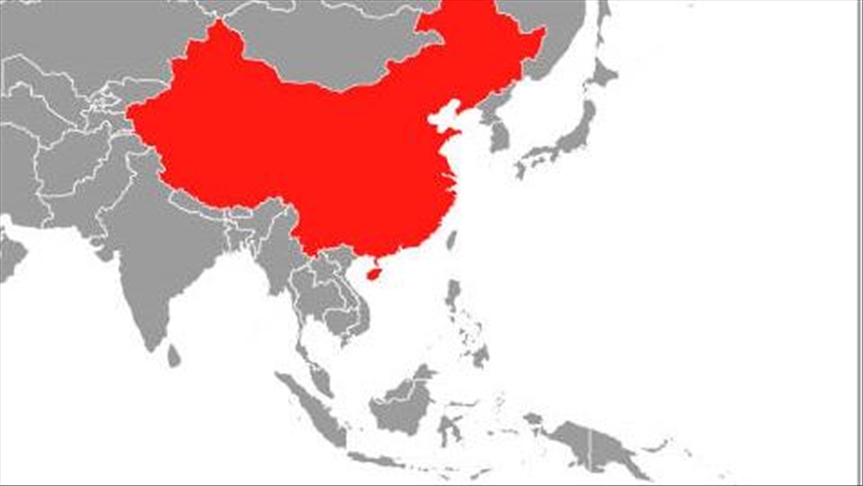
By 2025, it had become clear that China’s South Asia policy had entered a new phase. Chinese leadership, speaking through Foreign Minister Wang Yi, boasted that China’s relationships with its neighbors had never been better. But beneath the public bravado, Beijing was anxious that growing geopolitical competition with the US would limit China’s ability to operate with impunity on its periphery. Within South Asia, China is increasingly seen as an economic partner, a strategic balancer, and a geopolitical threat all at once. Bangladesh, Nepal, Pakistan, Sri Lanka, and India are hedging their bets for different reasons and to varying degrees.
Beijing now views South Asia less as an economic hinterland and more as an arena of strategic competition. Two-way trade between China and South Asia is forecasted to reach $200 billion this year. Infrastructure development, defense cooperation, digital connectivity, and energy have all become important facets of the China-South Asia relationship. But China is viewed through unique historical and strategic lenses in each South Asian member state.
Bangladesh
Bangladesh is perhaps the hottest frontier of China’s footprint in South Asia. Beijing moved quickly to cultivate the leaders who overthrew the Awami League government in Dhaka in August 2024. By March of this year, Chinese Foreign Minister Wang Yi welcomed Chief Adviser Muhammad Yunus to Beijing, a show of continuity in Sino-Bangladesh relations amid political turmoil in Dhaka. Beijing has long understood the value of having friends in high places in Dhaka, and China adapted well to Bangladesh’s changing political landscape.
Reports from Indian media about Bangladesh’s plans for an airport at its border with India, an expanded drone program, and potential military modernization have prompted widespread concerns within India about Bangladesh-China relations, especially regarding the Siliguri Corridor, or, as Indians often refer to it, the “Chicken Neck.” Chinese investment in Bangladeshi infrastructure or defense that further narrows that corridor would undoubtedly cause significant consternation within Indian strategic circles.
Seen from Dhaka, however, most of these moves are motivated by domestic needs for modernization and geo-economic diversification, not an aspiration to counter India. Bangladesh’s burgeoning drone program, for example, mimics a worldwide trend towards drone usage for reconnaissance and defense. Bangladesh’s construction of airports and other infrastructure will further develop the Bangladeshi economy, increase domestic connectivity, and improve disaster management capabilities. Bangladesh has repeatedly reaffirmed its commitment to strategic autonomy in foreign policy and seeks to maintain warm relations with China, India, and the West.
Much of the Indian media discourse surrounding Bangladesh’s deepening relationship with China has instilled paranoia that undermines Bangladesh’s legitimate desire to engage with China. While infrastructure or military purchases that threaten Indian security should be of legitimate concern, decisions Dhaka makes to further its own development should not be viewed with suspicion simply because China is involved.
Pakistan
Pakistan remains China’s closest South Asian partner. The China–Pakistan Economic Corridor remains the hallmark of China-Pakistan ties. Despite this closeness, there are signs that Pakistan is hedging its bets against overreliance on China. Pakistan has reopened itself to increased engagement with the US, Saudi Arabia, and Gulf states in recent months. Islamabad coordinated closely with Beijing during the latest India-Pakistan Crisis in May 2025, but China could not prevent or decisively end the crisis, despite providing Pakistan with diplomatic support and, perhaps, intelligence support.
Pakistan’s diversifying foreign policy does not augur a decrease in Chinese influence in Pakistan. But for China, Pakistan can no longer be taken for granted, and Pakistan’s external relationships have grown more nuanced in response to its expanding ties with Beijing.
Sri Lanka
China and Sri Lanka are classic hedge partners. The Sri Lankan President visited Beijing early last year and signed agreements on infrastructure, education, and cultural cooperation. But Sri Lanka came to power on a platform of rapprochement with India and remains committed to healthy ties with New Delhi. Sri Lanka’s balancing act is driven by economic factors. Sri Lanka needs investment from multiple partners to recover from its economic crisis, and China is a major creditor with whom it will continue to work on debt restructuring and infrastructure development.
Sri Lanka understands its place in the grand scheme of Sino-Indian relations and is maintaining ties with both powers to protect its national interests. Other states in South Asia are realizing this as well and will likely continue to hedge against China's overdependence by cultivating ties with New Delhi and Washington.
Nepal
Nepal is a bit of an outlier. China has invested significantly in Nepal and ramped up its political courtship of Kathmandu in recent years. But China was caught off guard by the September 2025 ouster of Nepalese Prime Minister KP Sharma Oli. Nepal has deepened ties with both India and China in recent years, tilting towards China when India turned its attention away from Kathmandu. Nepal’s foreign policy reflects the infighting and volatility of its domestic politics.
India
Competition defines India-China relations. Engagement between New Delhi and Beijing has resumed after a hiatus in 2024, but difficult issues such as border security and competing regional ambitions prevent a true rapprochement between the two nations. India has welcomed the resumption of direct flights and the simplification of visa applications for Chinese citizens, but major breakthroughs remain elusive.
India is wary of China’s growing footprint in Bangladesh, Sri Lanka, and now Nepal. Indian media coverage of Bangladesh’s newfound partnership with China reflects New Delhi’s broader concerns. However, India also knows that it cannot outright push back against China across South Asia; hence, the “competition with minor accommodations” that defines India-China relations today.
Conclusion: The Ideal Scenario
In an ideal world, countries in South Asia would welcome Chinese economic partnership while avoiding strategic dependency. India and China would avoid viewing South Asia through a competitive lens and allow states in the region to maintain strategic autonomy. China would take a less transactional approach, focusing on long-term relationship building rather than extractive investments. India would understand that its neighbors are allowed to make their own economic and diplomatic decisions.
Smaller states like Bangladesh, Nepal, and Sri Lanka should continue hedging against China by maintaining close ties with India and, where possible, working with the United States and Western powers. If China and India can compete constructively and South Asian states can successfully hedge against both, South Asia will be a more stable place for everyone.

0 Comments
LEAVE A COMMENT
Your email address will not be published