

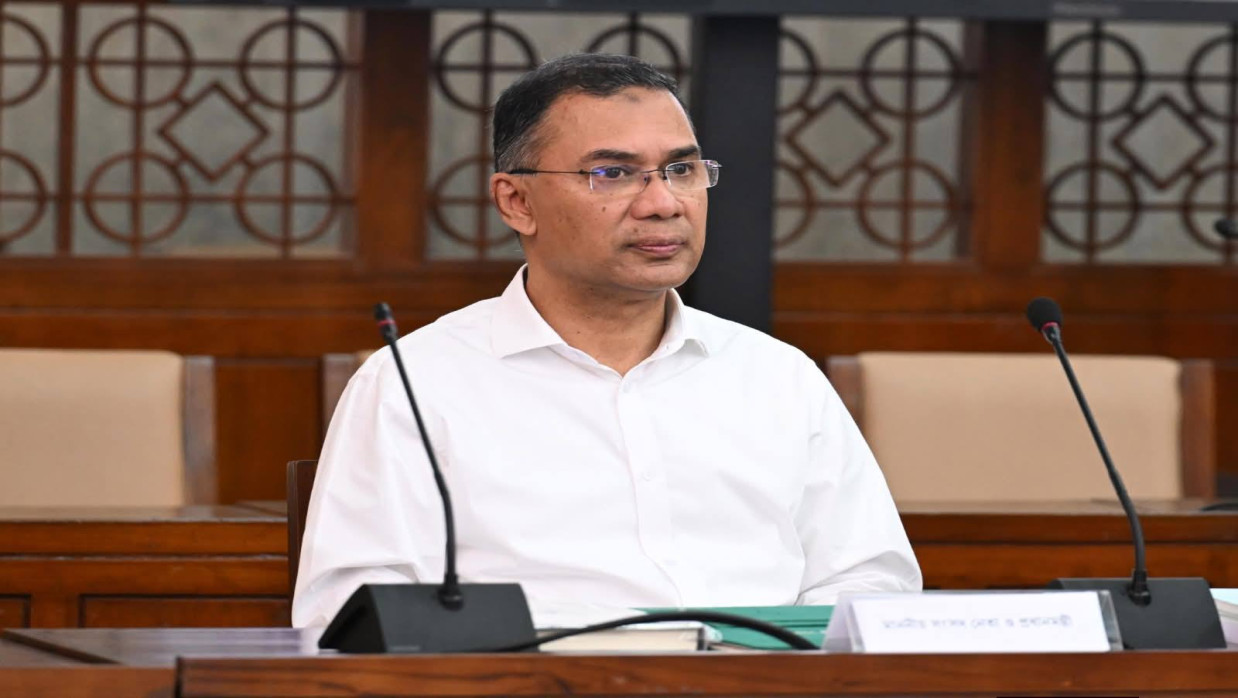
Tarique Rahman becomes the leader of Bangladeshi politics amid change. Bangladesh is starting a new chapter in its political life. Emerging from years of political division, engineered elections, institutional turmoil, and widespread disillusionment, today's leaders find themselves at the helm of a restless nation full of hope yet saddled with large, systemic problems. The regime change represents an opportunity to reclaim democratic mandates and govern more effectively for millions of Bangladeshis. However, the problems facing Bangladesh run far deeper than political upheaval. The future of Bangladesh will be defined by years of political stabilization, bureaucratic restructuring, and socio-economic change.
Political Context and Leadership Challenges
Tarique Rahman leads BNP into power, laden with years of party distrust, skepticism, and intense political rivalries with the Awami League. Hostile politics have long been the norm among Bangladesh's two mainstream political parties, and bitter experience continues to shape public attitudes and government institutions. Rahman also has to contend with strife within his own party, historical injustices faced by its members, and the corruption and violent party politics of yesteryears. Healing the wounds of those who feel victimized while simultaneously holding members of his party accountable for their wrongdoings will be a challenging tightrope walk for Rahman as he assumes leadership of the party.
Additionally, Rahman will have to contend with Bangladesh's political culture, which thrives on retribution and discord, when reforming government institutions and restoring public trust. His inability to contain elements of corruption and violence that have seeped into Bangladesh's political culture for decades may very well doom public perception of his party in power.
Many bureaucrats and security officials who advanced through the ranks during the Awami League years still retain personal or institutional loyalties formed during that period. At the same time, within the BNP itself, there are senior figures known for their close alignment with India whose motivations may at times be influenced by personal or financial interests rather than broader state considerations.
Described by analysts as an introspective and comparatively moderate politician, Tarique Rahman has spent a significant portion of his life abroad, where he became familiar with Western-style political processes and diplomatic savoir-faire. He also projects an air of sobriety that is often lacking in Bangladeshi politics. Still, one man can only do so much. Rahman will have to find a way to influence government bodies if he hopes to sustain his party's long-term success.
Governance and Administrative Reform
Administrative inefficiency and corruption are among the major problems Bangladesh faces today. Years of politicisation of public service and a lack of institutional checks and balances have weakened the administrative system. Citizens complain that things take too long or that they do not know where to go to solve their problems.
Administrative reform will therefore have to be a priority of the new government if it hopes to restore faith in government institutions. Digitising government services is one major way to achieve this. Moving files online will allow citizens to monitor the progress of their requests. This leaves less room for bribery and ensures transparency and efficiency in government service delivery.
Singapore has gained international recognition for being one of the least corrupt states on earth. Efficient administration, strict anti-corruption measures, and technological innovation played a major role in ensuring transparency in Singapore's system. South Korea also owes part of its rise from a war-torn country to an industrial powerhouse to efficient governance and investments in technology.
Countries like Bangladesh do not have to copy these systems exactly, but can learn from the key tenets of their success stories. Transparency, skilled professionals, and less red tape mean less corruption and greater trust in government services. Digitising file monitoring, automating administrative tasks, and making government procurement transparent are all great steps towards achieving good governance.
Economic and Social Development Challenges
Apart from political stability, Bangladesh also faces economic and social issues, including rapid population growth, unemployment, inflation, and income inequality. Bangladesh has experienced strong economic growth recently, but the outlook remains shaky given its structural vulnerabilities. Bangladesh faces an acute shortage of skilled and semi-skilled human resources. Major sectors, such as the garment industry, are forced to recruit large numbers of foreign nationals to fill mid-level management and operations positions, even after decades of development. Graduates from universities and colleges lack the technical skills and know-how that industries expect. Industries suffer from a shortage of skilled people to become middle managers, while millions of unemployed youths flood the streets.
To solve this problem, Bangladesh needs to focus on developing long-term human resources. We need to train our youth to meet industry demands. Universities need to improve their curricula to meet global standards. Training on technical skills needs to be introduced at the student level. Training centers and the acquisition of new hands-on skills should be added to students' curricula. Investing in human resources will allow Bangladesh to leverage its demographic dividend. The economies that lead the world today didn't get there overnight. They had invested time and resources in creating human resources by educating and training their people to become engineers and managers. Will Bangladesh be able to join the club?
Environmental Initiatives and Grassroots Mobilization
One development program suggested as part of contemporary political dialogue is the grand-scale dredging of canals (commonly known as khal khonon). Bangladesh has an extensive network of canals that once served as an important mode of transportation in rural areas, supported inland agriculture through irrigation, and supplied local fish and goods. Canals across the nation have long been abandoned, with little maintenance and rampant silt build-up.
Projects such as canal dredging would not only rehabilitate our waterways but also allow them to continue serving their aforementioned purposes. Canal dredging also serves an environmental purpose, enabling better management of our water resources and reducing the risk of flooding. The project can be transformed from another public works programme implemented by the ruling government. Instead, it could spark a countrywide grassroots revolution with students and youth volunteers participating. Trees can be planted alongside canals during rallies to raise awareness about environmental conservation.
The dredging of canals has historically been associated with corruption and government embezzlement. To reverse this stigma, the program must maximize transparency. Creating healthy competition between districts that exceed requirements can encourage public praise of these areas for their dredging efforts.
Projects like these can create jobs for unemployed Bangladeshis while fostering rural community development.
Political Culture and Party Dynamics
The third obstacle facing the new government comes from the political culture. Violence, corruption, and highly charged partisan politics have plagued Bangladesh for years. Party discipline is sometimes lacking, and party student wings have even been accused of militant or intimidating behavior.
Tarique Rahman will have his work cut out for him cleaning up Bangladesh's political culture. There is a fine line between punishing wrongdoers within his party and keeping party faithful supporters happy. However, Rahman can't shy away from holding those accountable. Showcasing accountability could go a long way toward regaining trust in Bangladesh's democracy.
Opposition parties have also fed off of victimization rhetoric in the past. When out of power, Bangladeshis have felt victimized and used that to rally support. Playing the victim doesn't solve any problems, however.
It is up to the new government to shift Bangladeshi politics from victimization to productivity.
Long-Term Outlook
The future of Bangladesh is now uncertain. With Tarique Rahman finally taking over leadership of the BNP, we have a chance to correct institutional faults and overcome our development hurdles. However, actions speak louder than words.
Digitizing the bureaucracy, investing in human resources, and ensuring clean development will enable Bangladesh to become a more efficient welfare state. Working to bring civility to party politics and to develop a more congenial political culture will ensure a healthy democracy.
Only time will tell whether Rahman can live up to his words, but, more importantly, whether his government can deliver. Will Bangladesh develop into the Bangladesh its people dream of, or will it just experience another cycle of transient political hope followed by despair?


0 Comments
LEAVE A COMMENT
Your email address will not be published