

Afghanistan today stands at a fragile crossroads. Nearly five years after the Taliban’s return to power, the country remains diplomatically isolated, economically strained, and security-fractured. Yet beyond its borders, geopolitical currents are shifting in ways that could further destabilize not only Afghanistan but the wider region. Growing perceptions of tacit or indirect convergence between India, Israel, and the Afghan Taliban have fueled concerns that strategic maneuvering may be taking precedence over regional peace.
While no formal alliance exists between these actors, patterns of engagement, diplomatic recalibration, and quiet contacts have generated speculation across South and West Asia. For critics, the concern is straightforward: if geopolitical rivalries override counterterrorism imperatives, Afghanistan risks becoming a permissive arena for militant networks — a hub that radiates instability outward.
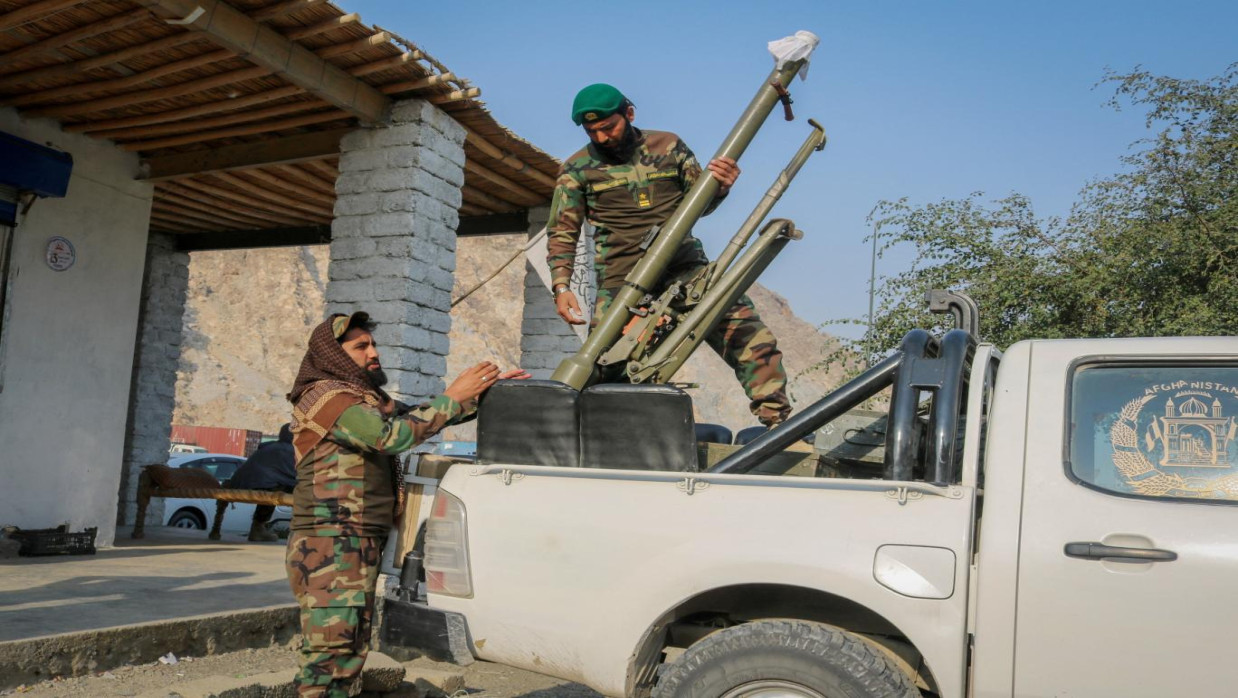
The Afghan Taliban pledged in 2021 that Afghan soil would not be used against other countries. Yet multiple international assessments, including recent UN monitoring reports, have documented the continued presence of armed groups such as Tehreek-e-Taliban Pakistan (TTP) and Islamic State-Khorasan Province (ISKP) within Afghanistan. These organizations have carried out cross-border attacks and destabilizing operations, particularly targeting Pakistan’s border regions.
In this environment, any external engagement with Kabul carries weight. India, which had previously distanced itself from the Taliban regime, has gradually reopened diplomatic channels in Kabul. Officially, this engagement is framed as humanitarian outreach and pragmatic necessity. However, for regional observers, the timing — amid intensifying cross-border violence — suggests a broader strategic calculus.
Israel’s role is more indirect but equally sensitive in regional perception. Statements by certain Taliban representatives in past interviews indicating openness to diversified foreign relations — including remarks by Taliban spokespersons that they had “no inherent issue” with Israel — sparked debate about possible quiet recalibrations. While such comments did not translate into formal ties, they illustrated a willingness within some Taliban circles to explore non-traditional diplomatic avenues.
The core concern among critics is not overt normalization but strategic permissiveness. If regional rivalries encourage selective engagement with the Taliban without demanding strict counterterrorism compliance, militant actors may exploit the ambiguity. Afghanistan’s internal governance challenges already limit its capacity to control dispersed armed factions. External actors pursuing narrow geopolitical gains risk further diluting incentives for decisive action against these groups.
India’s expanding defense cooperation with Israel adds another layer to the perception puzzle. As New Delhi strengthens its technological and military partnerships with Tel Aviv, critics argue that parallel diplomatic engagement with Kabul may signal a convergence of interests aimed at counterbalancing Pakistan. Whether intentional or not, such optics contribute to suspicion that Afghanistan is being drawn into broader rivalries rather than stabilized through cooperative security frameworks.
It is important to differentiate between speculation and substantiated policy. There is no publicly verified evidence of coordinated India-Israel support for Taliban militancy. However, geopolitics often functions through indirect alignments, shared adversaries, and overlapping interests. Even the perception of such convergence can influence regional calculations.
The risk is cumulative. Afghanistan already hosts multiple armed actors with competing agendas. If external powers engage selectively without conditioning assistance or legitimacy on verifiable counterterrorism action, the country could drift further into becoming a sanctuary for non-state militants. That outcome would not only threaten Pakistan but also Central Asia, Iran, and broader regional corridors.
Regional peace depends on clarity of responsibility. Any actor engaging with Kabul must prioritize enforceable commitments against transnational militancy. Humanitarian aid, economic assistance, and diplomatic outreach are legitimate tools — but they must be tied to measurable steps in dismantling terrorist infrastructure. Absent that conditionality, engagement risks emboldening factions that thrive in grey zones of ambiguity.
Moreover, regional stability cannot withstand competing proxy dynamics. South and West Asia have already endured decades of proxy competition that fueled insurgencies and undermined state sovereignty. Repeating that pattern in Afghanistan would perpetuate cycles of violence and mistrust.
Ultimately, the path forward requires transparency and collective accountability. If India seeks a constructive role in Afghanistan, it must visibly support regional counterterrorism cooperation rather than strategic signaling. If Israel’s engagement remains humanitarian or indirect, it must avoid actions that could be interpreted as geopolitical opportunism. And above all, the Taliban regime must demonstrate credible, verifiable measures to prevent its territory from being used by militant groups.
Afghanistan does not need to become a chessboard once again. It needs sustained, coordinated efforts to dismantle terror networks and integrate into a stable regional order. Any external alignment that overlooks this imperative risks deepening instability — with consequences that would reverberate far beyond Kabul.

0 Comments
LEAVE A COMMENT
Your email address will not be published